The clock is ticking. Your event is getting closer and closer. You’ve tried everything to market the event, but registrations are low. This Tweet haunts your stress dreams:
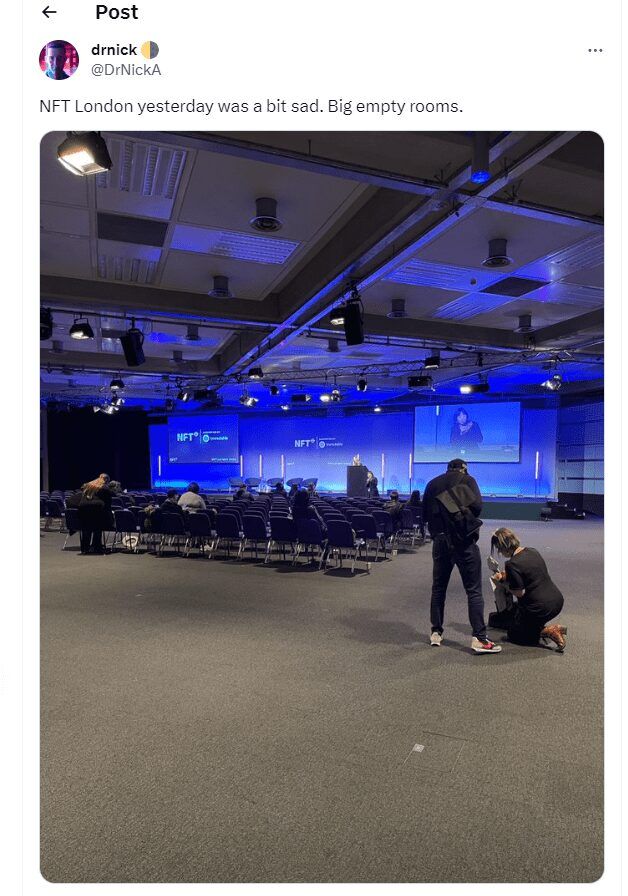
It makes you wonder: is there a better way to get the word out about your next virtual, in-person, or hybrid event?
The answer: newsletter sponsorships.
In this guide, you’ll learn how to advertise in trending newsletters to create buzz for your event and get new signups in a snap.
Introduction to strategies for event promotion
Traditionally, there are a few methods that event promoters use to get the word out. Each has its own unique advantages and disadvantages:
1. Social posting about the event
One of the most popular strategies for marketing an event is social posting. Marketers share event invites, updates, and teasers on LinkedIn, Facebook, Instagram, TikTok, Twitch, Reddit, and other networks.
On the plus side, it’s free and incredibly easy to use. As for the cons, you might not get much engagement unless the target audience for your event is already following you.
2. Display & social ads for event promotion
You’ve probably seen them everywhere: from Facebook to Instagram and everything in between, display ads are a big part of the internet landscape. Many promoters use these ads to showcase their events and win new signups.
For example, the Digital Summit conference recently posted social ads for their latest events, garnering hundreds of new impressions.
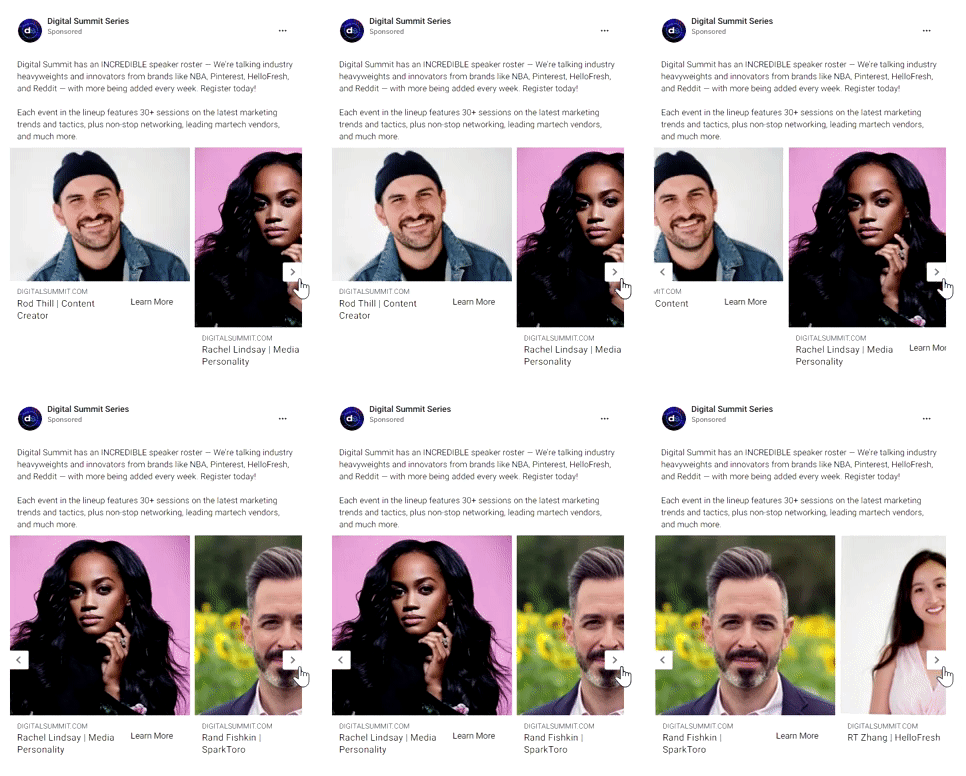
However, this advertising method isn’t without downsides. Although impressions are higher than other marketing forms, display ads offer a low ROI.
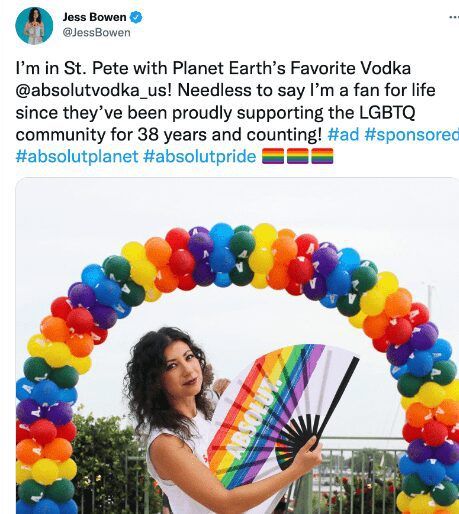
3. Influencer marketing to promote your events
Influencer marketing is a strategy that uses trusted individuals to promote your event to their social following.
With the right strategy, you can expand your reach and borrow the influencer's reputation to generate excitement for your event. However, it's challenging to choose the right influencer and measure the success of this type of campaign.
4. Advertising events with email marketing
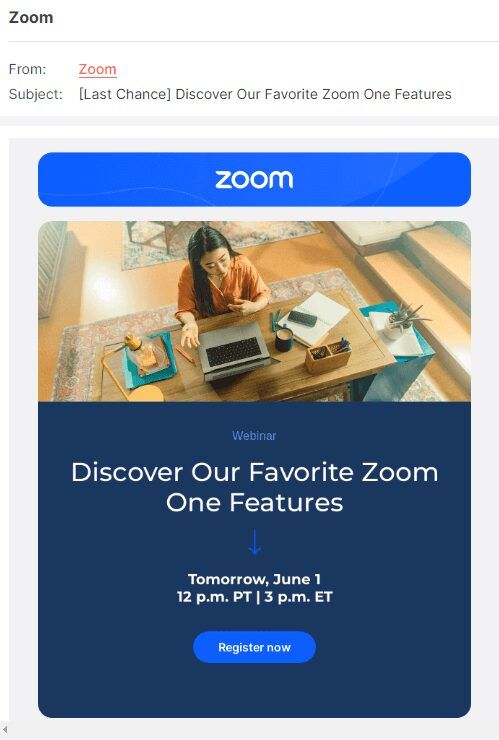
It’s an oldie but a goodie. Email marketing is an incredible tool for promoting events and getting more registrations.
The only downside is that you still have to do all the labor of audience building, keeping a clean contact list, and sending out emails regularly.
5. Recruiting new attendees with email sponsorships
Email sponsorship is the practice of advertising in another content creator’s email newsletter. Many marketers use email sponsorship to advertise their events in popular niche publications.
With this method, you get all the benefits of email marketing but none of the long-term responsibilities like maintaining your own email list.
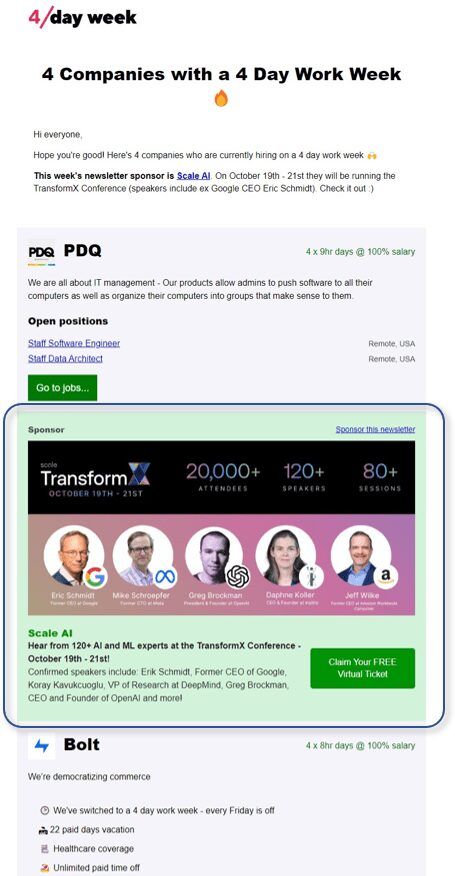
This strategy is highly effective. Booking a sponsorship in a popular newsletter can give publishers access to millions of readers in no time at all. According to the Content Marketing Institute, 31% of marketers agreed that email newsletters are the best way to nurture growth and generate leads.
The secret to event promotion: advertising through email
Why are newsletters a better channel for advertising events?
Newsletters reach your audience directly, unlike other marketing channels that are cluttered and less targeted.
[With newsletter sponsorships], you have guaranteed distribution versus unclear distribution with social media.
Alex Valaitis, quoted in an article by AJ Eckstein in Fast Company
The reason email advertising works is simple—email subscribers are engaged. Many people tune out display ads and scroll right past posts on social.
Email is different. HubSpot says that over half of Americans look at their email 10+ times a day—and they say that it is their favorite way to get messages from brands. And no marketing channel’s more intimate and personal than email, according to Fast Company.
The content users choose to receive in their inbox shows what they care about—which offers a lot more than a random Facebook page they liked a long time ago. If somebody subscribes to a newsletter about ChatGPT, you can surmise they are very into AI, making them the perfect audience for special events on the latest technology.
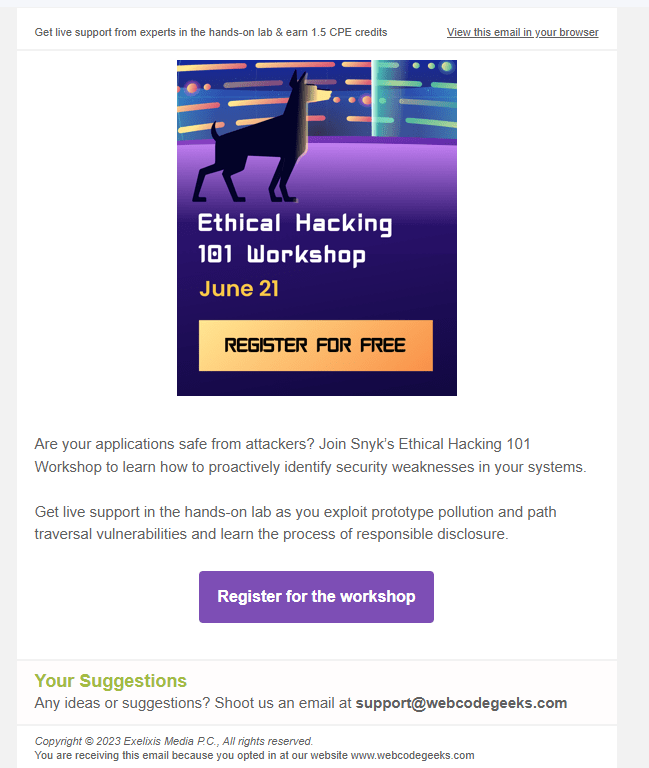
Run event promos with native newsletter ads
There are a few ways to run ads in popular newsletters.
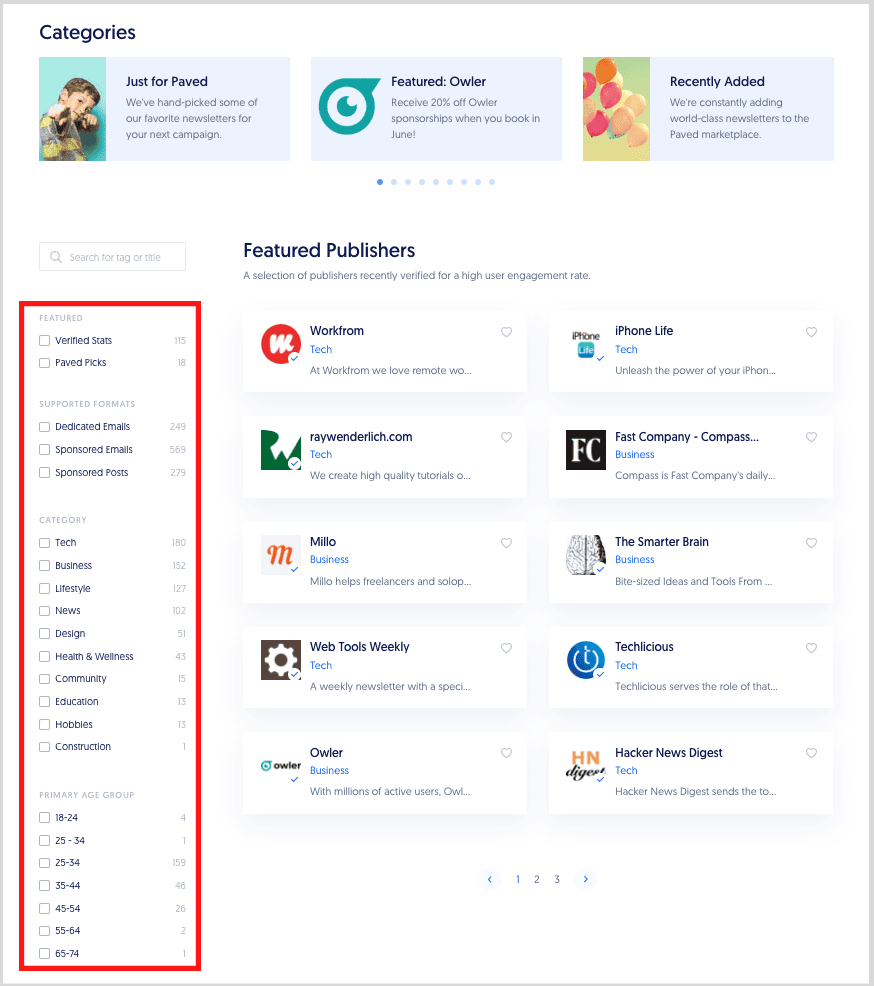
For ultimate ease of use, we recommend browsing a newsletter sponsorship marketplace like Paved to find the right partners to promote your event. Essentially, it's a directory of popular newsletters that are accepting brand partnerships.
In the Paved Marketplace, you can search or filter publications by category and age group to find your event's target audience:
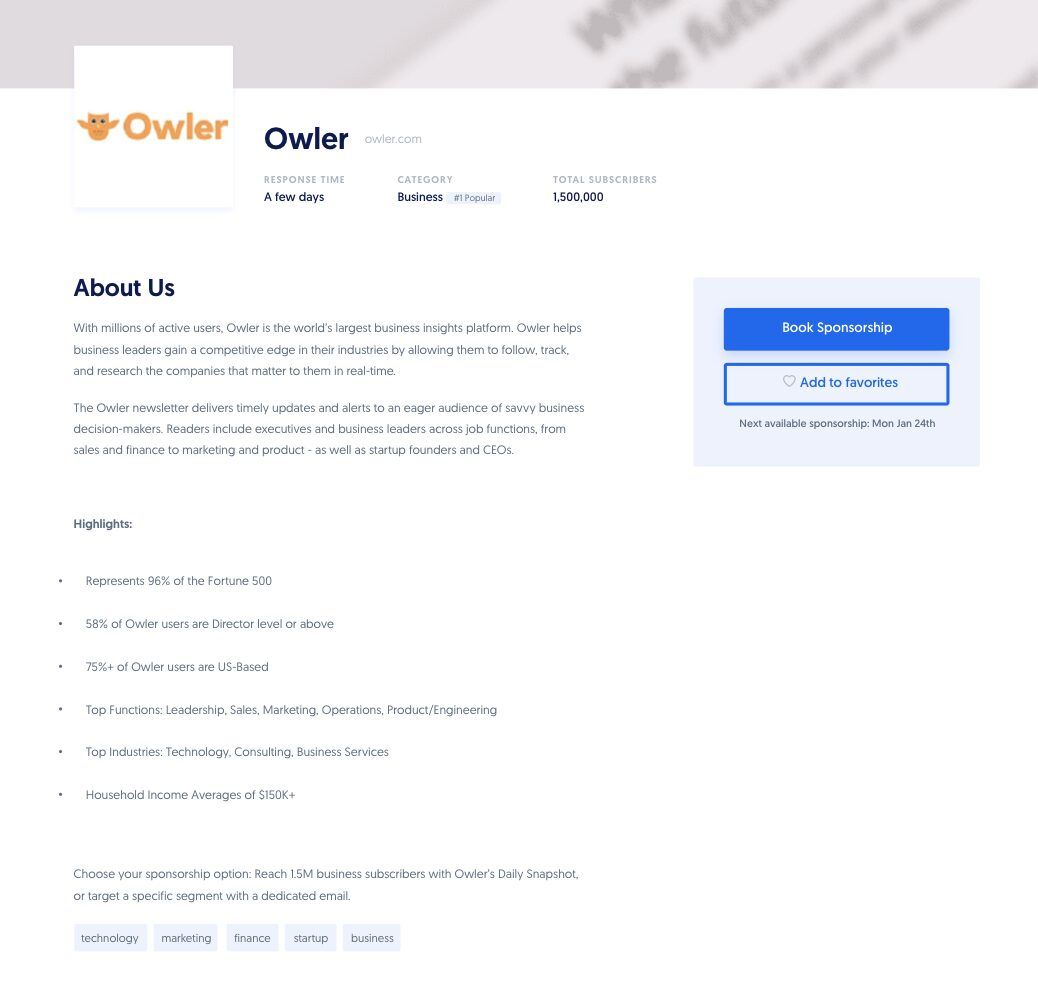
Next, you can select a publication to dive into details like sponsorship pricing, typical ad open and click rates, audience demographics, location, and more. Booking a sponsorship only takes a few clicks.
Case Study 1: Event promotion with Gorgias
Want to see how it's done? Let's take a look at Gorgias marketed an event with newsletter sponsorships.
Gorgias is an all-in-one customer support helpdesk software specifically designed for e-commerce stores. Each year, they host a virtual e-commerce conference focusing on customer experience in DTC (direct-to-consumer) technology.
To promote their annual DTCX ECommerce Growth event, the marketing team at Gorgias used Paved to secure sponsorships in relevant newsletters. Primarily, they targeted people in the e-commerce space. They also experimented with ads in more prominent tech and startup newsletters to get more reach.
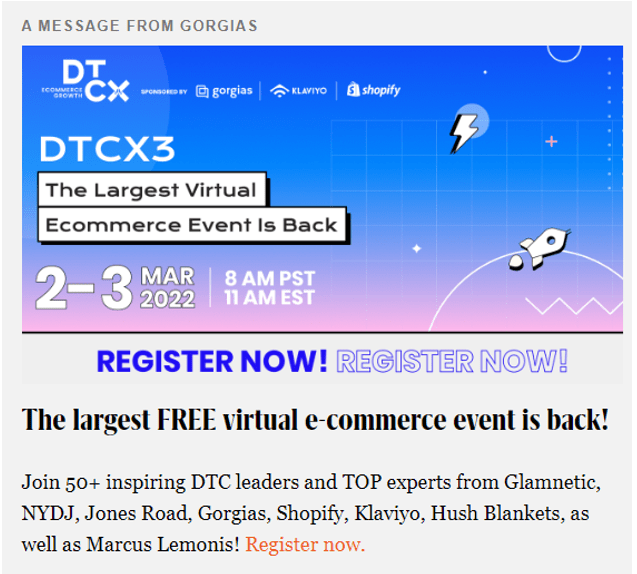
Newsletters they targeted:
- •The Commercial Creator, a business newsletter popular with digital marketers in the DTC space.
- •DTC WEEKLY, a newsletter on customer acquisition tips for high-growth DTC companies
- •Ecommerce Times, a publication focused on the latest e-commerce and technology news industry trends.
- •Fast Company Compass, a renowned tech and business newsletter.
- •#Jesspicks, a weekly newsletter for creators and entrepreneurs in the tech field.
The results of their newsletter advertising:
- •Hundreds of event landing page clicks
- •Dozens of new RSVPs for the event
Case Study 2: Event promotion with Rubrik
Rubrik’s annual Forward Conference is a key event for cybersecurity enthusiasts, showcasing the latest trends and innovations in data protection through engaging keynotes and interactive demos.
To amplify the event’s reach, Rubrik’s marketing team leveraged Paved to partner with top-tier newsletters, focusing on audiences in cybersecurity, C-level tech, and IT. They used a combination of dedicated and sponsored emails to promote the event.
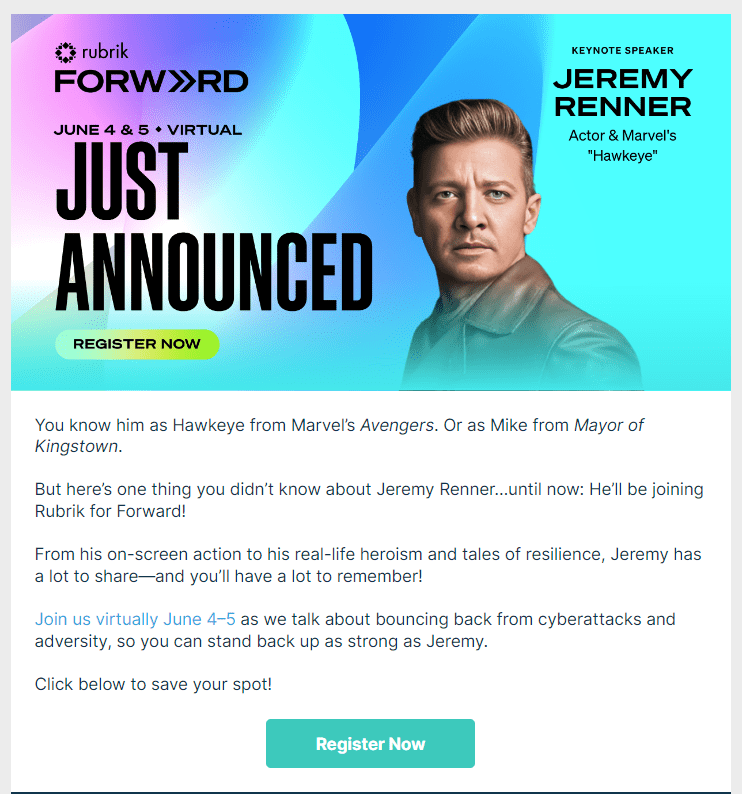
Newsletter audiences they targeted:
- •CertMike, a popular newsletter for cybersecurity pros
- •Cyber Security Byte | The National CIO Review, a weekly newsletter recapping the week's breaking cybersecurity news
- •and more
The results of their newsletter advertising:
- •2,000+ clicks
- •20 registrations per ad, with over 100 new registrations total
Learn more: How Rubrik Generated $100K in Sales with Newsletter Ads
Find your niche on Paved
Even if the event you're promoting is in a totally unique niche, there is a wealth of newsletters in almost any category you can imagine.
Though you may be tempted to start with ads in the biggest publications like Fast Company, you'll often find a phenomenal value and better audience fit in lesser-known niche publications. Many newsletters offer advertisements for under $1k per ad and even as low as $30 for classifieds.
Not sure where to start with advertising your event in newsletters? Click the links below to check out our curated newsletter recommendations for event promos in any niche.
- •Tech events:
Sponsor startup newsletters, AI newsletters, technology publications, or newsletters like Morning Brew. - •Finance events:
Try advertising in fintech, investment, and personal finance newsletters. - •Lifestyle events:
We recommend sponsoring newsletters like the Skimm, top health and wellness publications, feel-good newsletters, or lifestyle newsletters.
Promote your event with programmatic email ads
If you like the idea of newsletter ads but you’re short on time, consider programmatic email ads from the Paved Ad Network.
This is a one-time, “set it and forget it” style of ad that’s automatically customized to run in hundreds of relevant newsletters at once:
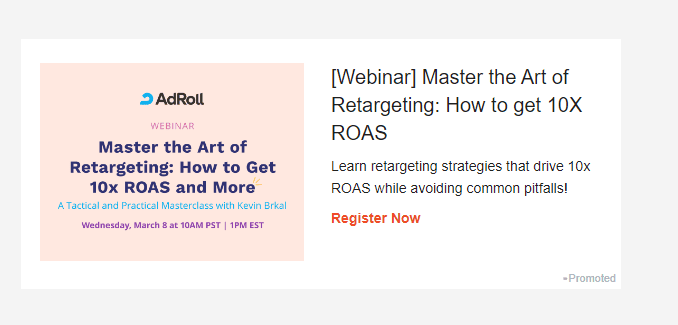
Let’s say you’re promoting a big webinar on information security and want to target IT execs at enterprise-level companies. Instead of looking for a newsletter with that exact demographic, you can launch a programmatic campaign and set your audience to those specifications.
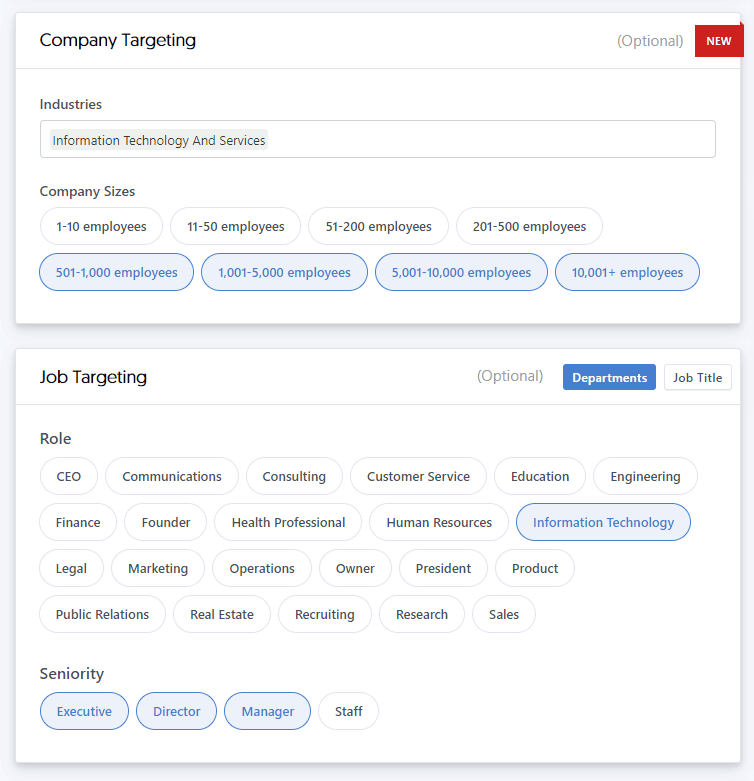
The high-powered targeting tools in the Paved Ad Network make it easy to advertise your event to any interest group. From there, you can add specifications like your pricing, frequency cap, ad creative, and run dates.
Then, your ad placement will appear across several newsletters to get in front of subscribers within your specified audience. With Paved’s robust campaign management and reporting tools, you can see live conversion and signup stats as the ad runs.
Maximize turnout with the right timing
Sponsoring a newsletter can boost event and webinar signups if you time it right. The trick is to balance early promotion and last-minute reminders.
People rarely act after seeing just one ad. Research shows that repeated exposure increases brand recall. For example, viewers who saw the same ad six times had around 92% brand recall.
But there’s a fine line: too much repetition can annoy your audience. The same study that found high recall after six exposures also showed a nearly 50% rise in reader irritation. For newsletters, this means you shouldn’t sponsor every edition of a daily newsletter for weeks on end.
A better approach is to change up your messaging each time and limit how often your ad appears. It's best to aim for two to three mentions over a few weeks, each with a different angle. One could focus on the topic, another on the speaker, and a “last chance to register” reminder. This keeps things fresh without being overwhelming. As ON24 advises, “Make sure each promotion differs from the other—you don’t want to annoy your recipients!”
Timing based on newsletter frequency
You can maximize registrations and webinar attendance by aligning your sponsorships with the right newsletters at the right time.
Since most people register late (59% sign up in the last week, 17% on the day of), it's key to start advertising 2-4 weeks ahead to build awareness. Then, you can make a final push in the last week to drive turnout. Not all newsletters have the same send frequency, so you should tailor your sponsorship timing to the type of newsletter (monthly, weekly, and daily) to get the best results:
- •Monthly newsletters:
- •Best for initial announcements 3-4 weeks ahead of the event.
- •Not ideal for last-minute reminders; supplement with weekly or daily newsletters closer to the event.
- •Weekly Newsletters:
- •Ideal for 2–4 weeks out to capture early and mid-cycle registrations.
- •Best practice: sponsor two issues—one ~2 weeks before and another the week of the webinar.
- •If limited to one slot, choose 7–10 days prior to capitalize on late registrations.
- •Daily Newsletters:
- •Best for final reminders within 24–48 hours of the webinar.
- •A single placement a day or two before the event works well.
- •Optionally, add a teaser a week prior, but avoid over-saturation.
Best practices for timing
Bringing it all together, here are some best practices on when and how often to sponsor newsletters for maximum webinar registrations and attendance:
- •Plan a three-phase sponsorship strategy:
- Initial announcement (3–4 weeks out)
Run ads in a monthly or weekly newsletter. - Mid-campaign reminder (1–2 weeks out)
Run an ad in a weekly newsletter for follow-up. - Final push (0–3 days out)
Sponsor a daily newsletter for last-minute signups.
- Initial announcement (3–4 weeks out)
- •Choose high-engagement times: Aim for Tuesday–Thursday mornings when email engagement is highest.
- •Reinforce with reminders: Follow up with registrants via direct emails to boost attendance.
- •Vary messaging: Highlight different aspects (topic, speaker, urgency) across your sponsorship placements.
- •Test and optimize: Experiment with different timing strategies and track results.
Final thoughts: Level up your event promotion with Paved
Marketing an event may seem daunting, but it doesn't have to be. When you add email sponsorships to your event marketing strategy, you can grow your registration lists quickly and get back to doing what you do best: planning industry-leading events.
"Paved has significantly helped us with our paid email campaigns and boosting event registration." -Rubrik
With Paved, you’re just one step away from finding phenomenal advertising partners, designing the perfect newsletter ad, and reaching relevant audiences.
Sign up for a free Paved Advertiser account to see how easy it is to promote your event with email ads.