For many publishers, email opens and clicks are key newsletter metrics. From communicating results to sponsors to monitoring engagement and conducting A/B testing, finding out where your readers are clicking is essential to growing and improving your email marketing.
Unfortunately, thanks to the rise of email bots, click data is getting harder to trust. At Paved, we’ve found that about 20% of clicks come from automated bots for most publishers that do not use bot filtering. However, some publishers have reported seeing rates as high as 90%.
Most bots come from email security software, which aims to protect email recipients from untrustworthy links. With persistent issues like phishing and malware continuing to threaten email users, security bots like these are critical and are showing no signs of slowing down.
That’s why it’s important to learn how these bots work, so you can learn how to deal with them and work to filter them from your results.
What are email click bots?
Every time you send an email campaign, your email service provider (ESP) changes all of your newsletter links so that they point to the ESP’s servers for tracking purposes. Because the final link isn’t easy to see in the email, bots act as users to click to see where the links go.
Most email click bots are security applications and scripts run by businesses and email providers, such as Microsoft's Advanced Threat Protection or Barracuda's Intent Analysis.
These programs scan each email and click through every link to make sure it leads to a secure website. If it finds anything suspicious, it may flag the email or mark it as spam to prevent the recipient from opening it. Unfortunately, this process also racks up false bot clicks that people often mistake for real audience engagement.
Bots are a larger issue for some email recipients than others. For instance, B2B emails see a much higher proportion of bot clicks as companies enact strict security measures to protect their data. According to an article from HubSpot Community, some marketers have seen that bots are more common in specific industries, such as healthcare and finance.
How do bot clicks affect your newsletter?
While email security bots are certainly a net positive for the email industry, they can be frustrating for email marketers and publishers. When bot activity is widespread, it can be hard to tell whether a surge in clicks is coming from increased engagement or a new security update. As a result, even the most analytics-driven publishers can feel like they’re working in a black box.
Excessive bot clicks can also lead to many other consequences, including:
- •Disrupted trigger-based marketing automation
- •Inaccurate A/B testing results
- •Unintentional opt-outs or unsubscribes
- •Overestimated results on clickthrough rates, open rates, or page visits
- •Incorrect email metrics
Why your ESP allows bot clicks
It’s important to note that click bots are totally normal in the world of email newsletters. All newsletters get bot clicks, so it’s typically nothing to worry about.
Popular ESPs like Mailchimp, Campaign Monitor, Marketo, and more allow bot clicks in their systems because they're incredibly helpful in preventing email spam. For example, Gmail uses a bot click tool to scan incoming emails for phishing scams and suspicious activity.
However, when your newsletter gets more bot clicks than human clicks, it indicates a problem. If you have an unusual number of bot clicks, you might see that open and click data varies wildly between your ESP and other services like Paved or Google Analytics.
According to Mailchimp, there’s not a tried and true way for an ESP to identify and filter out bot clicks. They say, “Unfortunately, there's no way for us to see if a link has been clicked by a filter or your intended recipient.”
However, many ESPs have recently integrated bot filtering into their reports.
How to filter bot clicks in your ESP reports

With up to 65% of bot clicks going undetected, several ESPs have finally responded by adding bot-filtering technology to their products.
The following email service providers have integrated bot filtering into email reports. After you turn on the bot filter, your reports will display an estimate of human-only activity.
- •ActiveCampaign
How to filter suspected bot clicks - •Amazon SES
How to detect and block bot traffic - •Campaign Monitor
Enable the non-human click filter - •Constant Contact
Email engagement bot filter - •Hubspot
Filter bot activity from known internet bots - •Klaviyo
How to identify email bot clicks - •Mailgun
Bot detection feature - •Omeda
Automatic click bot filtering
Tips for reducing excess bot clicks
If your email list is plagued by excess bot clicks, it usually means one of two things:
- Real people aren’t engaging with your newsletter. It might be going to spam, or you may have a list health problem.
- Your emails look suspicious and bots are giving you a lot of attention. You might be on an email blacklist.
Here are a few strategies you can try to correct the issue in your ESP:
- •Keep a clean list with only active, opted-in subscribers.
- •Use the segmenting tool in your email program to filter out bot-like behaviors:
- •Filter out multiple clicks from the same IP address.
- •Filter out duplicate clicks from the same email domain.
- •Filter out suspicious behaviors. For example, experts say that bots often click the first link in your newsletter (often the View in Browser link) within 1-5 minutes of the send.
- •Look for patterns in your email list. Sometimes, bot addresses will have similar sequences of letters or numbers. This makes it easier to find and filter out these addresses.
- •Run your list through a third-party email verification tool to validate real email addresses.
- •Periodically hire a third-party list cleaning service to scrub your list and keep it up to date.
- •Run a list-pruning campaign to improve the health of your list.
- •Add an invisible link to your newsletter to identify bots; then unsubscribe anyone who clicks it.
It’s important to stay vigilant in screening your list for over-active bots. It’s extra work, but it’s well worth it for sharing more accurate performance data with stakeholders and advertisers. Plus, this will ensure that your ESP’s click metrics will more closely match data in other sources like Paved and Google Analytics.
How we identify and filter email bot clicks
Here at Paved, we have worked with many publishers on developing strategies for identifying bot clicks in their data. The solution tends to be more of an art than a science, but some clear patterns have emerged. While the exact strategies may vary, most effective bot-filtering methods boil down to two steps:
- Identifying suspicious activity
- Excluding the user (bot) responsible for the activity from your tracking
Examples of suspicious activity may include:
- •Clicking every single link in an email
- •Clicking two links less than 100ms apart
- •Clicking an email immediately after it’s delivered
- •Clicking an email before it’s marked as opened
This method will involve a margin of error– especially as businesses develop increasingly sophisticated bots that more similarly mimic human behavior. Regardless of your strategy, you’ll inevitably let a few bots slip through the cracks, or you could mistakenly flag some real users. That’s why staying on top of your data and continuously refining your method to weed out as many false clicks as possible is important.
Bot clicks in newsletter advertising campaigns
When it comes to email advertising, it may almost seem tempting to turn a blind eye to bot activity. After all, why would you want advertisers to see a deflated version of performance stats?
However, the goal of running a newsletter sponsorship is to facilitate the best experience for both your readers and advertisers. Bots aren’t real people. They can’t buy a product or sign up for a membership.
Therefore, leaving excess bot clicks in your data will often result in an artificially low click-to-acquisition rate, which can lead to frustrated advertisers who don’t see real website landings or conversions down-funnel from your newsletter.
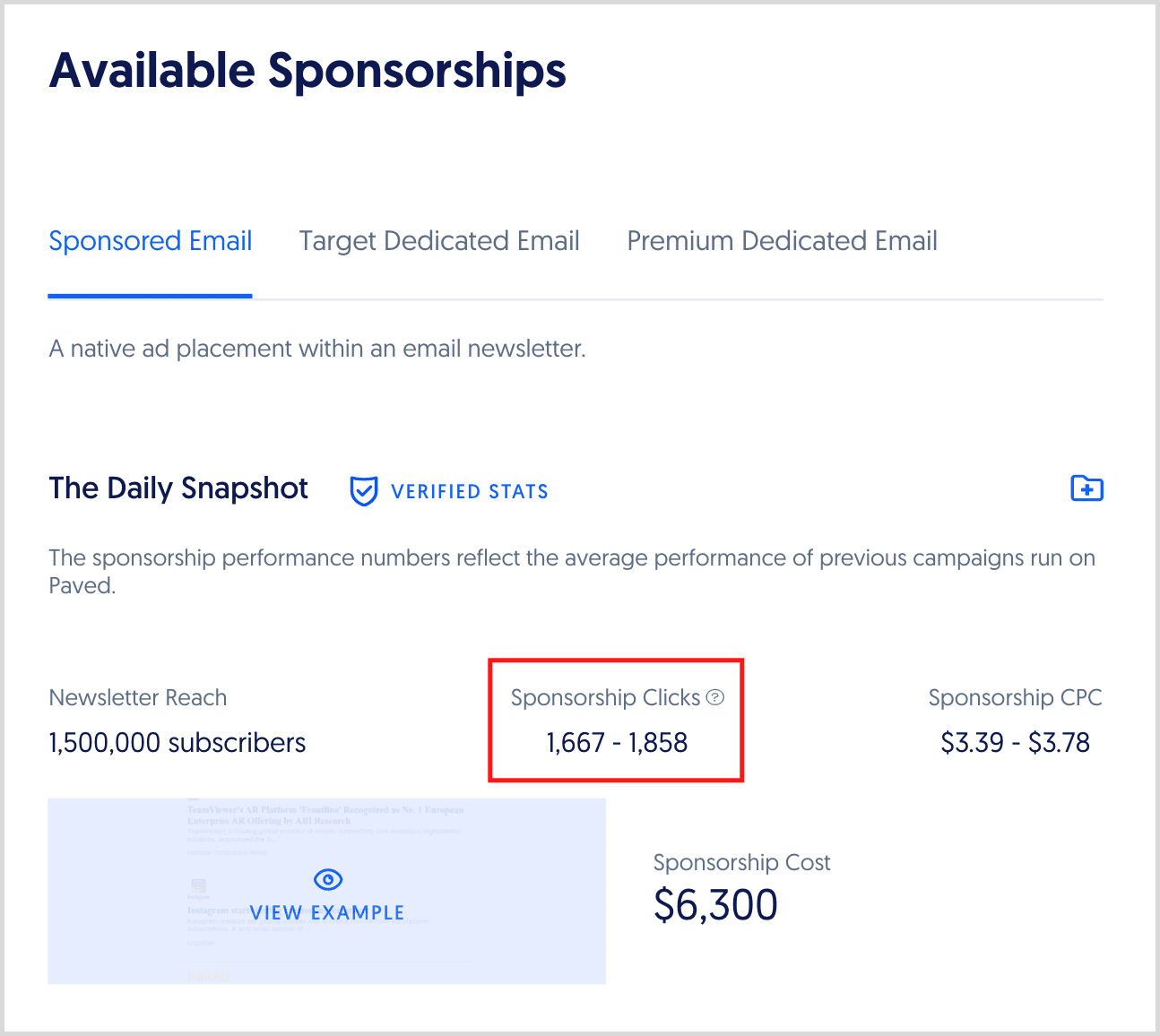
At Paved, we’ve developed a proprietary bot-filtering solution to identify bots and filter them out of publishers’ performance metrics for their email newsletters. Not only does that give our publishers a better idea of what type of placement performs best, but it also provides advertisers with more accurate results.
Bottom line: Filtering out bot clicks is tricky, but it’s worth it
There’s no surefire way to filter out all bot activity from your data, but you should be able to make a large dent with the processes and tools in this article. And you don’t have to navigate this issue alone. At Paved, we’re constantly improving our technology to identify bots and filter out false clicks from your campaigns.
If you encounter unusually high bot activity in your sponsored campaigns, feel free to reach out to help@paved.com and work with us to resolve the issue and deliver more accurate results.
Sign up with Paved to connect with top advertisers and streamline your revenue.