Getting your first sponsor is a big step in any newsletter’s journey. However, landing the sponsorship is only half the battle. Transforming the creative into an eye-catching placement is key to maximizing performance and attracting repeat sponsorships.
In this installment, we’ll talk about how to design your sponsorship to increase clicks and conversions for advertisers.
The ultimate design strategy: native advertising
If you’re not running native sponsorships, you’re already missing out on a lot of audience engagement. Over time, ads have grown more prevalent across a variety of channels, from social media to billboards. Consumers are getting tired of being marketed at, as evidenced by the widespread adoption of ad blockers.
Native ads are a better alternative. The term native advertising refers to paid advertising designed to match the look and feel of the medium in which it appears. Because they may be easily mistaken for organic media, some marketers also refer to native ads as sponsored content. Consumers tend to prefer this type of advertising because it’s more visually appealing and less disruptive.
Examples of native ads
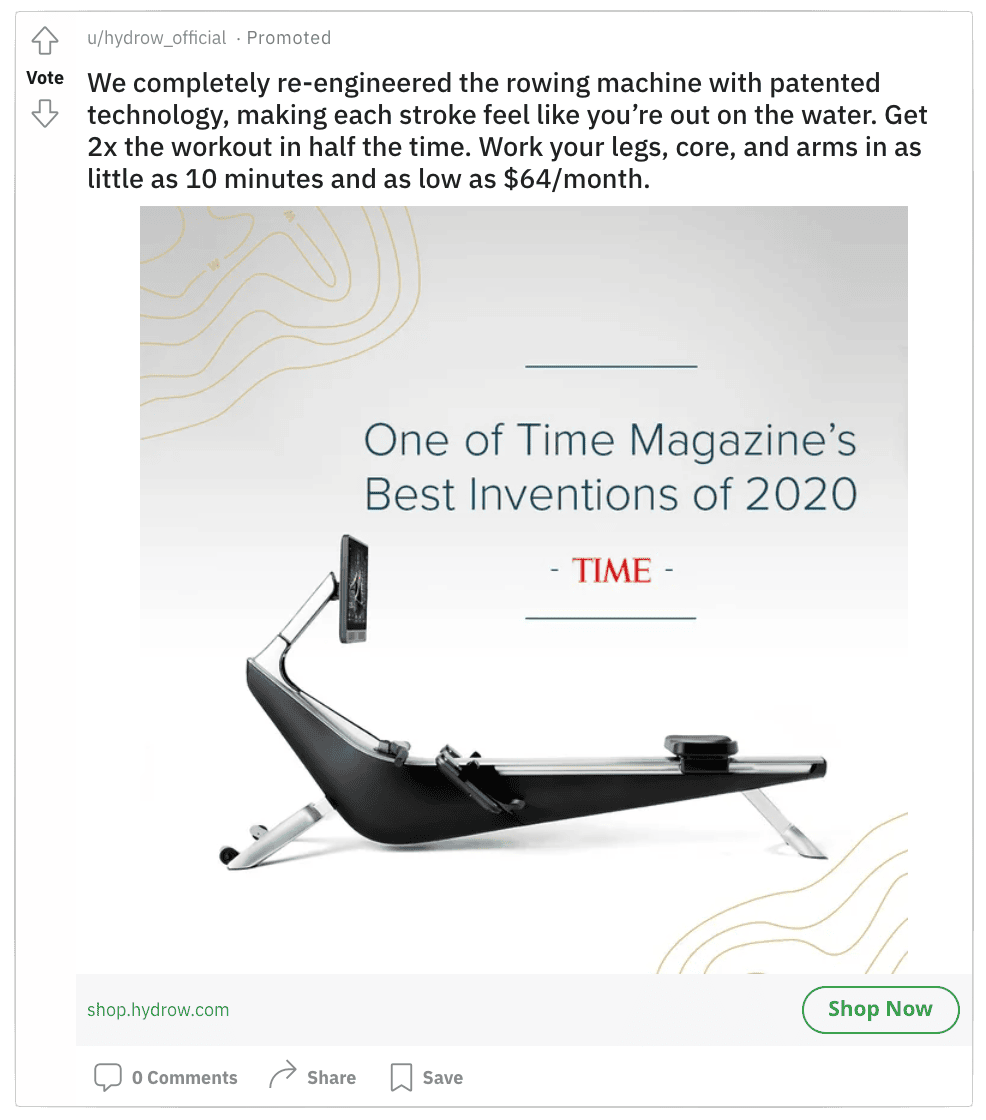
Common types of native ads you may have encountered include in-feed ads, recommended content and promoted listings. Many apps and websites aim to find clever ways to incorporate paid ads into their existing user experience. For instance, social media platforms like Reddit will run in-feed paid content formatted in the same style as organic posts.
Advantages of native ads
Native advertising has rapidly gained popularity across digital platforms over the years. According to Statista, native digital display advertising spend totaled $52.75 billion in 2020.
This spike in interest follows impressive metrics from native advertising. In a study conducted by the IPG Media Lab/Sharethrough, researchers found that consumers looked at native ads 53% more frequently than traditional display ads. Furthermore, native ads created an 18% higher lift in purchase intent, as well as a 9% greater increase in brand affinity.
Challenges of native ads
Many marketers agree that native advertising is more effective than its flashier counterparts. However, some fear that the strategy may be misleading or deceptive to viewers. After all, studies in the past have shown that some consumers thought that news sites lose credibility upon publishing native ads. However, this sentiment has somewhat subsided over the years as viewers have become more familiar with the idea of sponsored content.
Audience perception can also depend on the advertising partner. In some cases, native advertising can actually increase a publisher’s credibility. According to a study by Contently, 41% of consumers gain trust in a publisher who features native advertising for a trustworthy brand. With this in mind, it’s typically recommended that publishers vet their prospective partners before accepting a request.
Another crucial step in running a native advertisement is clearly labeling your sponsorships. Not only will this help gain your audience’s trust, but it’s also required to stay in line with federal regulations. The Federal Trade Commission (FTC) released a guide to native advertising that businesses can follow.
How to design a native sponsorship for your newsletter
Now that we’ve covered the basics of native advertising, let’s talk about how to create your own native sponsorship. We talked to our friends at Finny, one of the top-performing publishers on the Paved Marketplace, to find out how they achieve high engagement from their newsletter sponsorships.
Their advice: get hands-on with designing the ad.
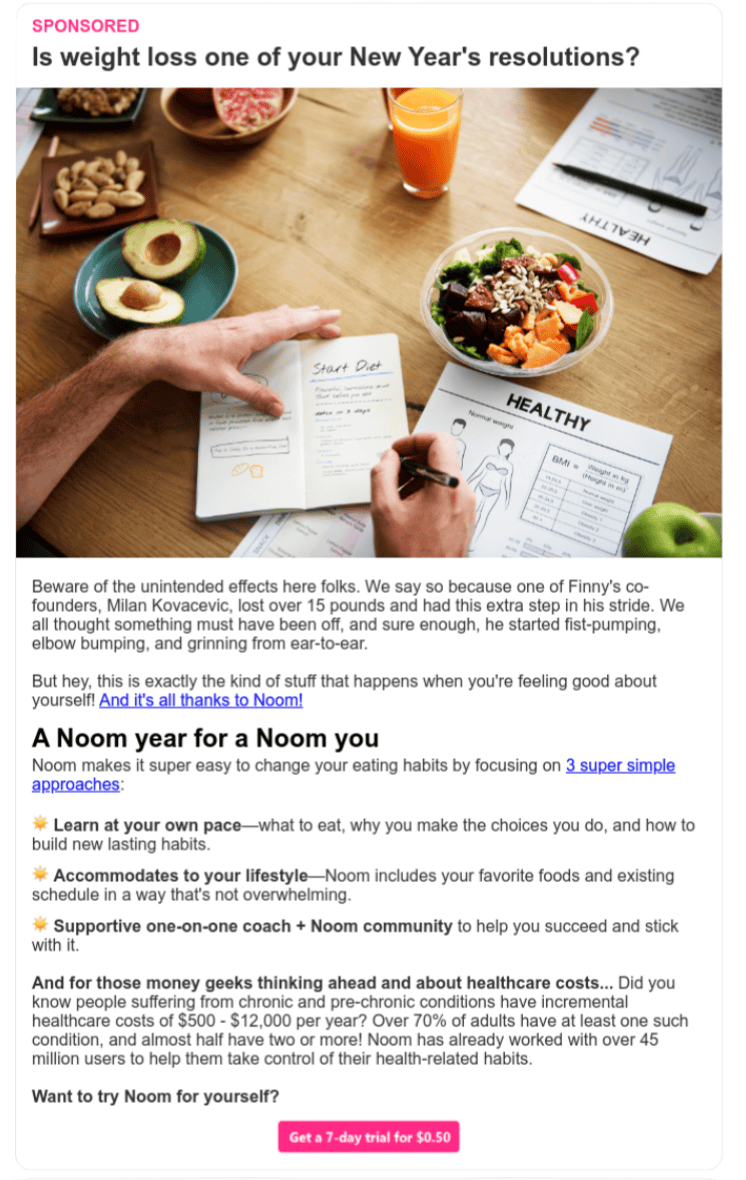
When the writers at Finny receive an advertiser’s creative, they’ll start working to make sure that the placement fits with the content surrounding it.
The advertisers have a pretty clear idea of what they want to offer. Where we weigh in is we want to make sure the ad blends in.
- Finny co-founder Milan Kovacevic
1. Align the newsletter content with the sponsorship
Creating a native sponsorship goes beyond the design. In addition to fitting into your newsletter visually, the best placements also fit with the theme of the publication. The writers at Finny have achieved this by incorporating sponsorships into their content planning process. Rather than randomly matching each placement to an issue, they’ll look at their list of sponsors over the next few months to decide which topic to cover each day.
Let’s say our sponsor of the day is a home insurance company. What we want to do is adjust our content so that we’re talking about things that are relevant, like ‘rent or buy,’ or ‘how to find a home.’
- Milan Kovacevic
2. Design the ad to blend in
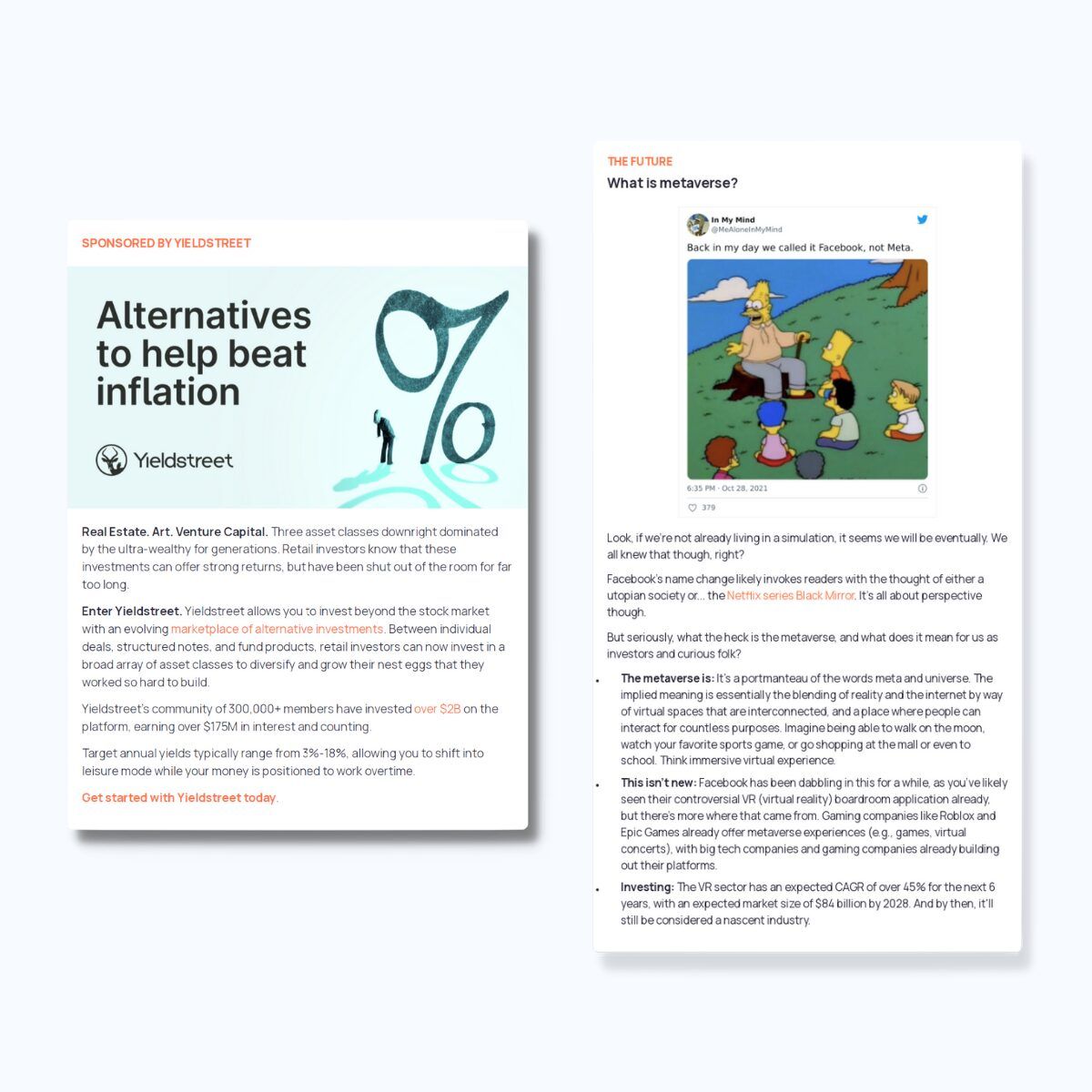
You don’t have to spend a lot of extra time and effort to incorporate your sponsorship natively. Rather, quite the opposite. All you have to do to design a native sponsorship is reuse the style of your newsletter’s organic content. Make sure your placement shares the same color scheme and design elements with the rest of the sections.
If you’re given the option to choose a few creatives, choose the one that matches your style.
- Milan Kovacevic
You can also try to collaborate with the advertiser to rework the copy to fit with your publication’s voice. Otherwise, the sudden shift may surprise readers and lose their interest. In the end, the completed placement should look indiscernible from the rest of the content on the page, aside from a clear disclosure.
3. Get the advertiser to sign off on the final product
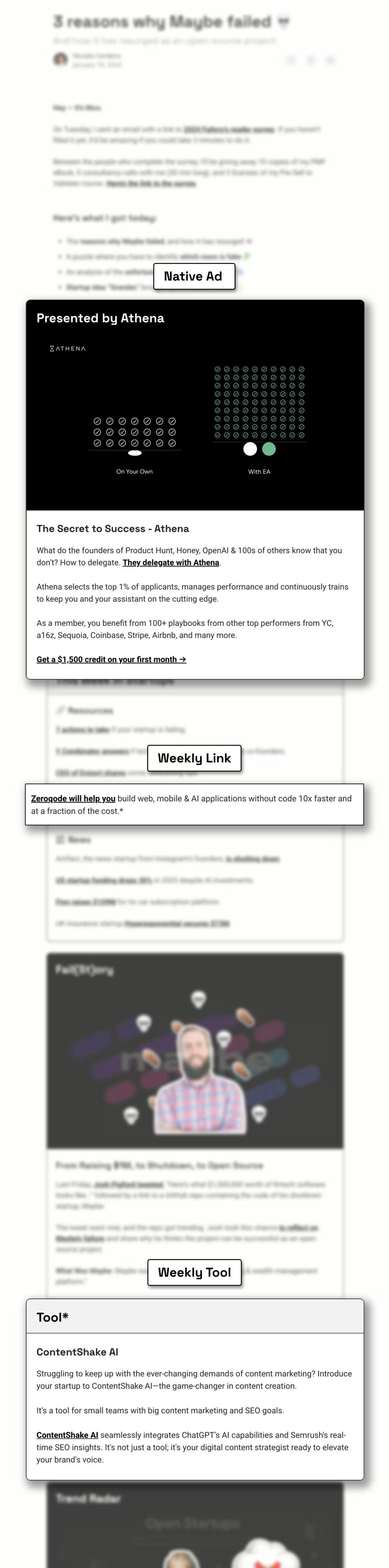
Communication is key to keeping your advertisers happy. If you’ve made any changes to your sponsor’s creative, make sure you get the go-ahead before running the placement. At Finny, if the advertiser hasn’t given a final confirmation by the time the newsletter is set to go out, they’ll take out the sponsorship until they’ve heard back.
You have to meet their standards. Some have regulatory rules and policies they need to abide by. If it’s not working, we just swap it out.
- Milan Kovacevic
Bottom line: When in doubt, go native
Newsletter sponsorships are still a growing advertising channel, and it’s tricky to find reliable standards on designing effective placements. However, native sponsorships have proven effective in increasing click rates across digital platforms, including Paved.
Of course, design isn’t the only factor in increasing sponsorship revenue. Check out the Paved blog for more information and advice on improving your newsletter sponsorships.
Sign up with Paved to connect with top advertisers and streamline your revenue.