Apple’s Mail Privacy Protection announcement was arguably one of the biggest news stories for the email newsletter industry.
Even though it's been a few years, some publishers still haven't decided how to respond to the news. Should you stop paying attention to open rates altogether? Should you remove iOS users from your data? Should you continue using opens as usual and hope they'll come back?
In this guide, we’ll provide you with everything you need to know surrounding the fall of email open rates, from how it affects your ESP to how to adjust your strategy to overcome it.
What are email open rates?
Open rates have been a long-time staple when it comes to newsletters and email marketing campaigns. To calculate your email open rate, take the number of people who opened your email and divide it by the total number of emails delivered. In theory, this should tell you what percentage of your subscribers are actually reading your emails.
How do open rates work?
Email softwares track opens by adding a transparent pixel, also known as a 1x1 pixel or pixel tag, to the body of the email. When a recipient opens the email, the device loads all of the images, which sends a request to the server.
This request contains specific information about the reader, including their operating system, the type of email used, the time the email was read and the recipient's IP address.
How are open rates used?
Many publishers use open rates as a key tool in practices such as A/B testing. For instance, some may employ send time optimization by evaluating open rates to find the best days and times to send.
Some publishers also test email subject lines to figure out what their subscribers respond to. Do you readers like to see pop culture references? Popular quotes? Emojis? Look at what yields the highest open rates to find out what works best.
On the other hand, you can also use open tracking to segment your users. By identifying who has and hasn’t been opening your emails, you can launch re-engagement campaigns to specifically target readers who may be close to unsubscribing. In other cases, you can also use this data to clean up your list to remove unengaged subscribers and boost email deliverability.
What's a good open rate?
In addition to serving as a tool for newsletter improvement, many publishers view a good email open rate as a measure of success in its own right. Of course, the difference between a high and low open rate may vary depending on the industry average.
According to a Mailchimp report, the average email open rate is 21.33% across all industries. However, within that figure, ecommerce saw an average of 15.68%, compared to 19.17% in real estate and 25.17% in nonprofit organizations.
Because of the widespread emphasis on email marketing metrics, many publishers periodically conduct dedicated efforts to boost their open rates. A few common strategies include:
- •Sending emails exclusively to opted-in readers
- •Creating personalized subject lines
- •Using a consistent sender name
- •Customizing your preview text
However, thanks to the rise of privacy standards like Mail Privacy Protection, open rates will likely become obsolete among email marketing benchmarks.
What is Mail Privacy Protection (MPP)?
Mail Privacy Protection (MPP) is a key component of Apple’s iOS 15 update, released September 20, 2021. The update allowed users to protect their mail activity by hiding their IP address, routing messages to their account through a proxy email and pre-loading images to disable open tracking. Additionally, unless users specifically choose the option “Don’t protect Mail activity,” MPP will be enabled by default.
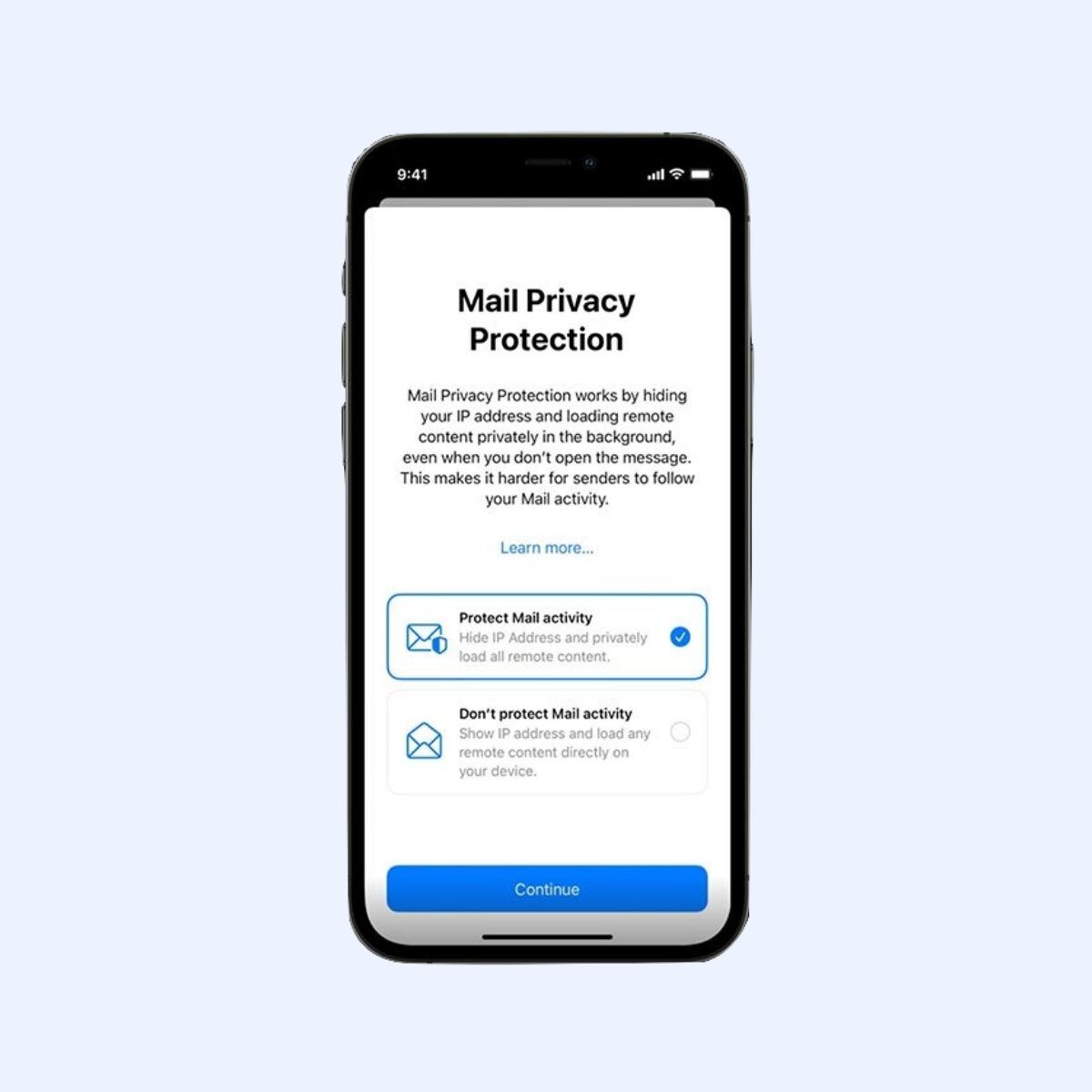
In theory, the popularity of MPP would cause open rates for Apple users to appear extremely inflated. Since email service providers will count every pre-loaded email as an open, marketers estimated that open rates would artificially jump to 100% for readers on iOS 15 mobile devices.
However, the email marketing company Litmus found that the figure would land closer to 75% due to situations in which emails fail to cache images. Regardless of the exact number, as more users begin to upgrade to iOS 15, open rates are gradually becoming less relevant.
How leading email marketing firms responded
Following the debut of iOS 15, we made an announcement on the Paved blog about what changes were coming to our platform in response to Mail Privacy Protection. We also introduced our free bot detection API, which publishers can use to detect fake clicks.
A few of our main updates included simplified newsletter metrics on Marketplace profiles, creative copy suggestions for sponsorships and engagement-based pricing recommendations.
On the email marketing side, many firms made their own statements about what MPP means for their product, and how their users could prepare for the update.
Mailchimp
As one of the biggest company names in email marketing, Mailchimp's users anxiously awaited an announcement from the company about what to expect after the release of iOS 15. To address customer concerns, the email marketing platform released several statements about Mail Privacy Protection.
Mailchimp's statements explained how the effects of MPP might appear on users’ accounts, including artificially higher open rates and fewer clicks per unique open.
The company also warned that customers would see fewer contacts in location-targeted segments due to the ability of iOS users to hide their IP addresses.
Automation features would also be affected for MPP-enabled contacts, including responses to non-openers. Similarly, open-based trigger automations like Customer Journeys or Classic Automations will automatically be sent to a larger audience.
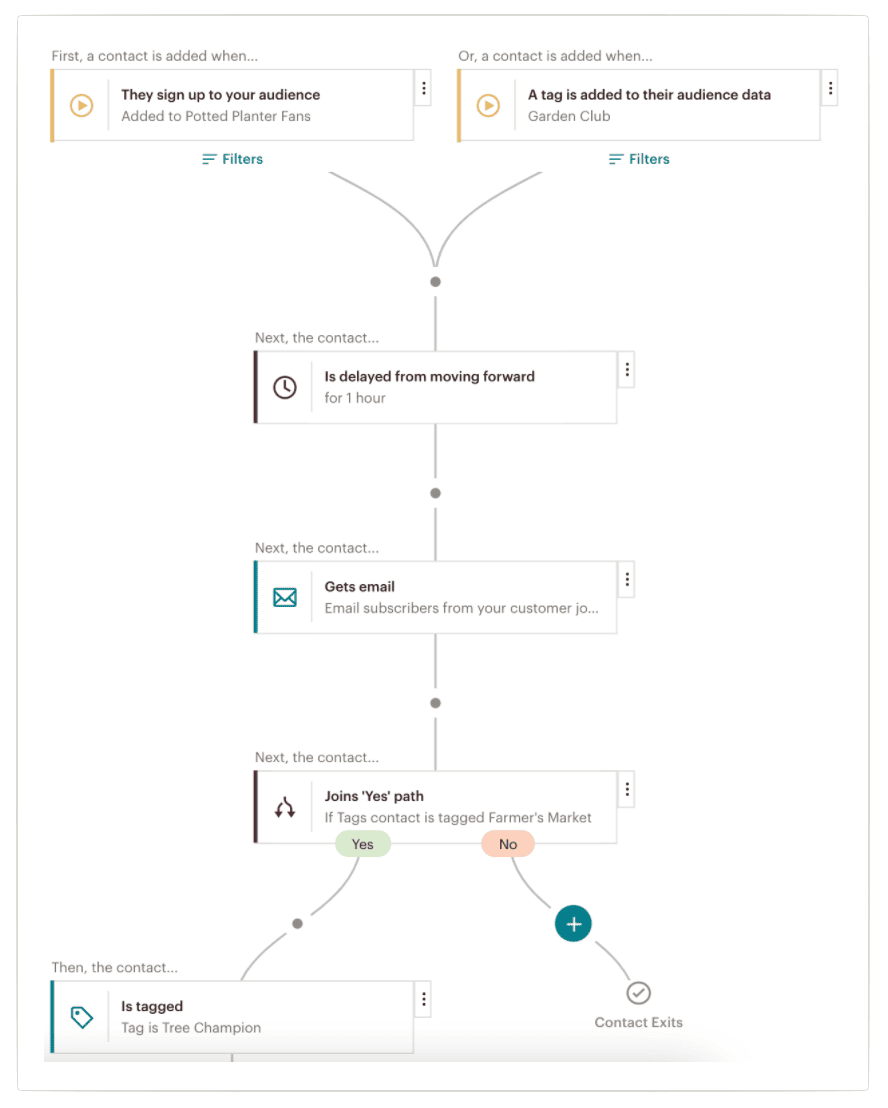
Mailchimp also offered some advice on how to prepare for the update:
- •Check how many contacts in your audience use Apple Mail
- •Collect location information directly from your readers
- •Change the metrics you use to measure success on your email campaigns
- •Exclude open rates from criteria to resend a campaign
- •Update your A/B tests to remove open rates
SendGrid
Founded in 2009, SendGrid is a major email marketing platform owned by the cloud communications platform Twilio. After the release of iOS 15, SendGrid launched a feature called the Apple Machine Open Indicator. In combination with the SendGrid Event Webhook, this feature allows senders to identify anonymous open data from MPP-enable recipients.
SendGrid also suggested that publishers start using average clicks in place of opens as a proxy for engagement. The company advised doubling down on this strategy by adding more CTAs.
Brevo
Brevo (formerly known as SendinBlue) is another established name in the marketing industry, specializing in relationship marketing. Its software suite includes a range of products, including customer-relationship management, transactional email and Facebook ads.
Around the launch of iOS 15, Brevo released a few disclaimers about features on its platform that would no longer work for Apple Mail users, including:
- •Open rates
- •Automation scenarios running on an “open” trigger
- •Segmentation flows based on open rate
- •Open rate-based A/B testing
- •Geolocalization features
- •Send Time Optimization
The announcement also included some changes made to the Brevo platform. For one, the company would start excluding Apple Mail opens when calculating open rate or conducting marketing automation scenarios that use opens as a trigger. Additionally, it would offer users an estimated open rate calculated using a formula based on data collected by the system.
Brevo also offered some advice to email senders moving forward. It suggested estimating the importance of Apple Mail stats based on how much of your subscriber list uses iOS, as well as developing a strategy based on click-through rates (CTR).
Other ESP announcements
In case we didn’t cover news from your ESP, we compiled a list of MPP-related announcements from other top email marketing firms:
Why MPP doesn’t spell the end for newsletters
Apple’s MPP has certainly driven a widespread overhaul of long-standing email sender strategies. However, its impact isn’t necessarily as catastrophic as some headlines would have you believe.
In fact, some experts suggest that the fall of open rates will encourage marketers to shift their focus away from misleading email benchmarks in favor of providing more value to readers. With that attitude in mind, we’ve put together a few reasons why the update doesn’t spell the end for your newsletter, let alone email in general.
Customers care about privacy
For years, many marketers have ignored users’ concerns over privacy. However, we’ve started to find out that many are willing to put their money where their mouth is.
A 2019 survey by Cisco found that 32% of adults worldwide have taken action to protect their data privacy, including by switching providers over their data-sharing policies.
This shift toward privacy gives email an edge, setting it apart from other marketing platforms like social media. Compared to other communication methods, email users appreciate the control they have over their inboxes.
Rather than being subject to an algorithm that decides what they see, email customers can customize their accounts to their liking. They can clean up their messages by sorting emails into folders, whitelisting trusted senders and deleting unwanted messages.
Many social media platforms allow users to similarly indicate their preferences by blocking users and following accounts. However, they don’t allow the same level of ownership and unilateral decision-making. In many cases, they may even override users' specified preferences, which can be even more frustrating.
By improving users’ trust in email as a communication platform, MPP highlights email as a more secure and sustainable marketing channel. By focusing on privacy in the short term, email is likely to continue to grow bigger in the long term.
Open rates were never 100% accurate
While open rates were certainly more valuable pre-MPP, experts have always warned of the shortcomings in using them as a benchmark. Despite the perceived precision that comes with an exact figure like 30.48% on your engagement report, email open rates can be misleading.
Anti-spam filters
Anti-spam filters can rack up opens by automatically loading images to ensure security before sending them, making it difficult to separate true clicks from bot engagement.
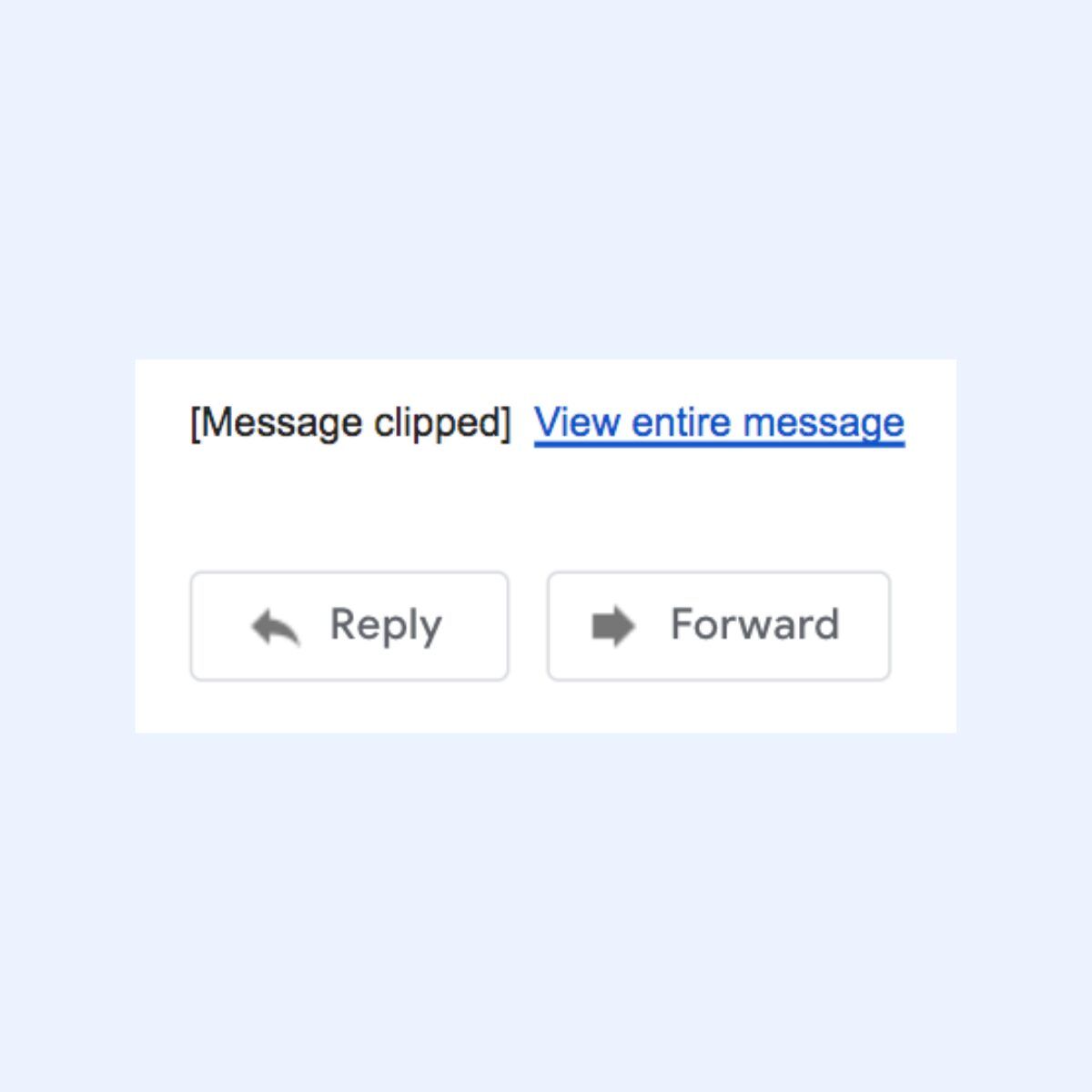
Clipped messages
Open pixels may also be clipped from your message altogether. If the inbox provider detects that your message is too long, it’ll hide it behind a “View Entire Message” hyperlink, removing your ability to to identify opens.
Autoresponders
Autoresponder settings, such as OOO messages, may register as opens when a response is triggered. This may cause an artificial spike in opens during popular vacation times, such as the holiday season.
Email isn’t going anywhere
Due to its reputation as an established means of communication, many think of email as a dying platform. In fact, the opposite is true. Research has shown that email use has actually steadily increased over the years. Data from The Radicati Group estimated the number of people using email in 2020 at 4 billion, or roughly half of the world’s population.
Email continues to outperform other marketing channels in countless areas, including engagement and ROI. A report by Mailigen found that 54% of marketers rate email as the most effective type of digital marketing, and that 89% said that it was their primary channel for lead generation. For consumers and business alike, email continues to thrive, and it’ll take more than the fall of a single metric to take it down.
How to adjust your growth strategy post-open rates in 2024 and beyond
Now that we’ve covered how Apple’s Mail Privacy Protection has affected the email industry, it’s time to talk about what to do about it.
Figure out what metrics matter most
Shifting our attention away from open rates allows us to pay attention to metrics that really matter. Think about your goals for your newsletter: Do you want to grow your subscriber base? Do you want to increase sponsorship revenue? Are you trying to direct more traffic to your website?
Once you’ve settled on your main objectives, you can decide how to measure your progress. For example, if sponsorship performance is a major priority, pay attention to click rates and conversion rates on your sponsorship placements. On the other hand, if you’re struggling to retain your readers, monitor unsubscribe rates to identify what’s not working.
Continue using open rates at your own risk
Many ESPs will allow you to separate Apple Mail users from the rest of your email subscribers with the click of a button. If your audience is made up of mainly non-iOS users, you can likely continue to use open rates while retaining accurate data.
However, continuing to use opens for retargeting or segmented campaigns may exclude your iOS 15 subscribers. Additionally, some marketers predict that removing a subset of your subscribers and continuing with business as usual is just prolonging the inevitable.
Keep your email list clean with double opt-in strategies
One of the major benefits of tracking opens is the ability to identify unengaged subscribers. This data allows you to remove subscribers who continue to leave your emails unread. Purging inactive recipients can help your newsletter stay out of the spam folder, decreasing your bounce rate and increasing deliverability.
With anonymous open data, cleaning up your email list is a lot more complicated. However, you can follow healthy practices by requiring all subscribers to double opt-in. In this strategy, readers will receive a verification email upon signing up for your newsletter. In order to be added to the list, they’ll have to confirm their subscription. This can weed out non-existent emails, decreasing hard bounces.
Improve deliverability by setting up authentication methods
Another strategy that marketers can use to improve deliverability is authenticating their email. By setting up authentication protocols like SPF, DKIM or DMARC, a sender can verify to email clients that they are who they claim to be. This signal can help the message make it past the spam filter.
Publishers can also boost deliverability by implementing BIMI, or Brand Indicators for Message Identification. This standard can allow authenticated senders to display a brand logo next to their messages, providing an indicator to email recipients that the message is safe to open.
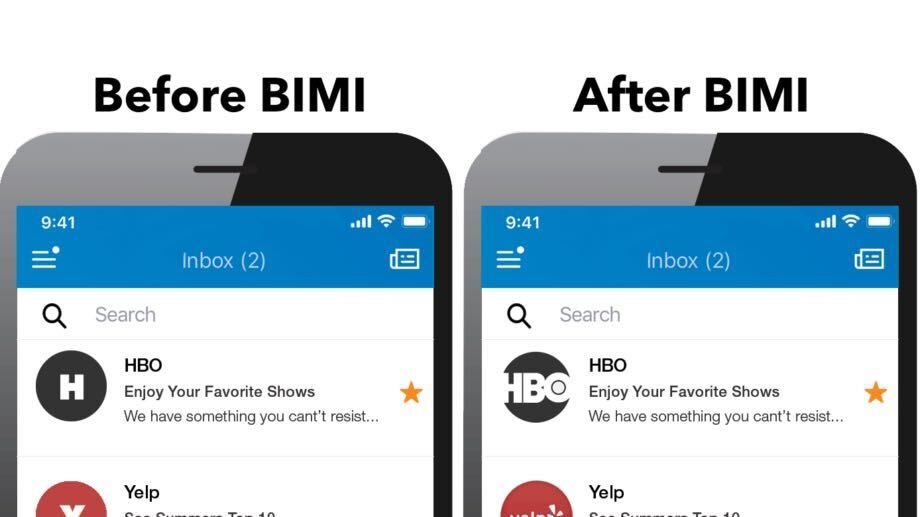
To learn more about setting up BIMI, check out: What Is BIMI, and How Can You Set It Up for Your Newsletter?
Get creative with segmenting subscribers
Open tracking may be an effective tool in segmenting subscribers, but it’s not the only one. With some outside-the-box thinking, you can continue sending out targeted campaigns. Consider adding interest-based CTAs to capture data from clicks. You can also directly ask your audience what you want to know.
According to Accenture’s Pulse Check 2018, 83% of consumers are willing to share their data to enable a personalized experience. Even privacy-conscious subscribers will be happy to provide information that they know will give them a better reader experience. However, remember to be considerate of their time, and try not to solicit more information than you need. In other words, sending out a quiz or a survey can pay off, as long as you keep it short and engaging.
Final thoughts
While Apple’s Mail Privacy Protection is certainly a milestone in the email marketing industry, it’s nothing to panic over. In fact, this shift can move the industry toward healthier habits as we ditch misleading success metrics and move toward creating genuine value for readers.
To learn more about how to improve your newsletter, check out the Paved blog. If you're interested in streamlining your monetization strategy, sign up as a publisher to start running sponsorships in your newsletter.