As a skilled marketer, you know that finding your target audience is a pivotal step in expanding your business. Since it’s impossible to appeal to everyone, identifying a specific group of ideal customers will help narrow your marketing efforts.
However, building a target audience isn’t quite as easy as it sounds. On one hand, if your niche is too small, your business will quickly reach its maximum limit. At the same time, trying to capture too broad of a market will make it difficult to meet any of your customer's specific needs.
If you’re having trouble pinning down the right audience for your brand, look no further. Let’s talk about how to start getting in front of qualified leads by identifying your target audience.
What is a target audience?
A target audience is a specific group of people who would most likely use your product or service. They often have shared qualities, including pain points, interests, and demographics.
The size of a company’s target audience can vary widely depending on many factors, including the industry, product type, and price point.
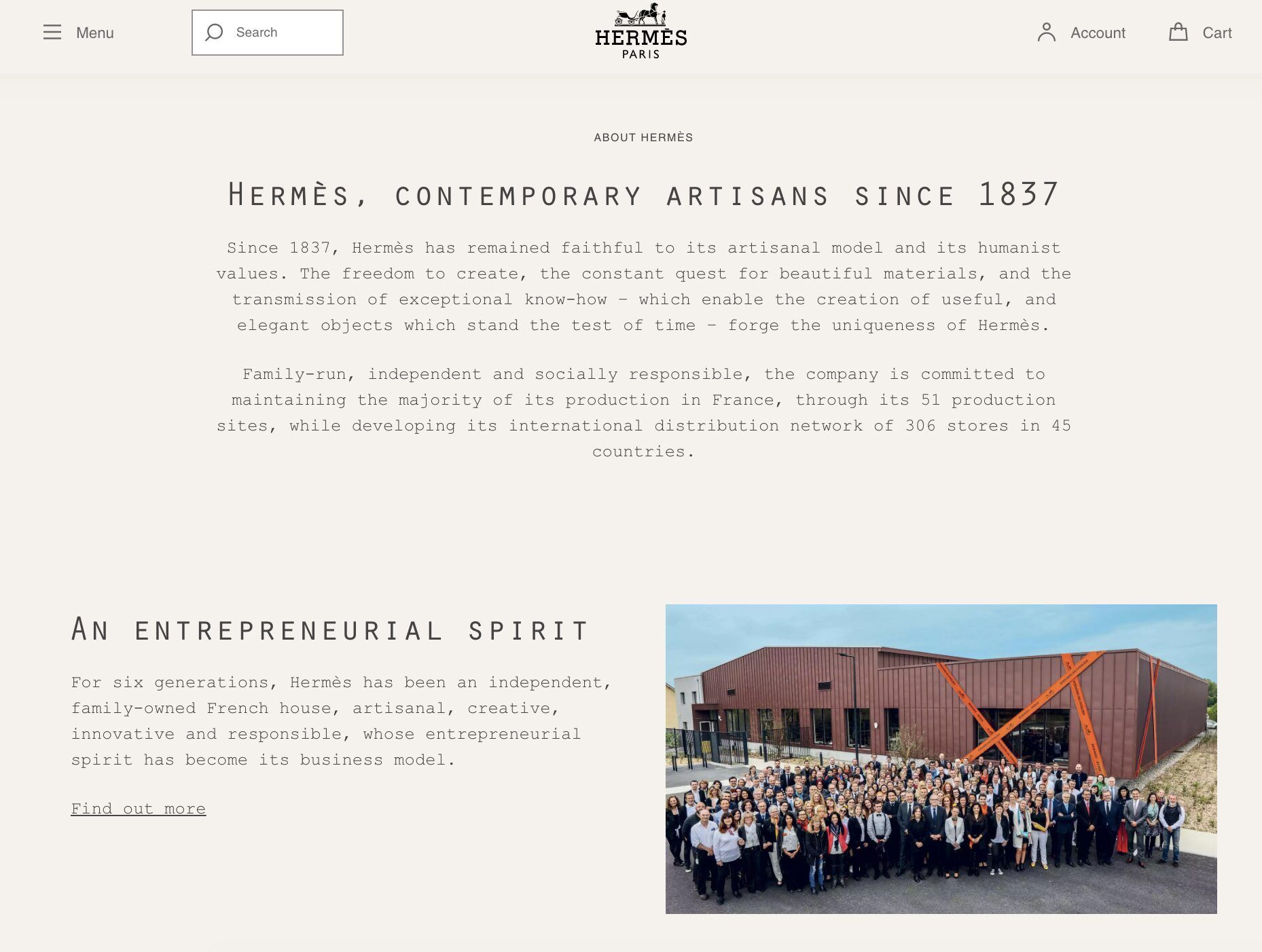
For instance, a department store like Nordstrom may carry a wide range of merchandise, attracting a large customer base with diverse preferences and income levels. However, a luxury brand like Hermès, which offers a more limited selection at a higher price point, will appeal to a much narrower audience.
Target audience vs. target market
The terms “target audience” and “target market” are often used interchangeably. However, while your target market refers to your brand’s potential customers, your target audience consists of the groups you aim to reach with your marketing efforts.
In other words, you can think of your target audience as a subset or segmented picture of your overall customer base. For instance, you may consider your target market when thinking of new features to build. However, your target audience will be more relevant to your content marketing and advertising decisions.
Why does your target audience matter?
Many brands put off the task of defining a target audience in the early days of their business. Some marketers and small business owners mistakenly assume that creating a high-quality product will automatically attract their ideal customers.
Although this may eventually work for some businesses, it’s not recommended. Sitting back and waiting to be noticed will likely only attract customers who go out of their way to seek you out, causing you to miss out on valuable leads.
Instead, you’ll want to be proactive about identifying individuals who may be interested, whether they know it or not.
Not only will building a target audience allow you to better understand your potential customers, but you’ll also open up your business to more opportunities, including:
- •Crafting personalized, persuasive marketing messages
- •Creating custom landing pages for specific audience segments
- •Publishing the right type of content on your company blog to engage users
- •Figuring out when and where to reach your potential customers
- •Running targeted digital marketing campaigns with pre-defined, measurable goals
- •Posting content on your LinkedIn, Twitter, and Facebook pages to reflect user needs
- •Identifying where your users fall in the customer journey
How to find your target audience in 8 steps
Finding your target audience is by no means a quick process, but it’s a worthwhile project in building a foundation for your marketing plan.
1. Understand your brand’s value proposition
Before you start thinking about your potential customers, you need to have a solid understanding of your own business. What problem do you solve? How does your product or service make your customer’s life better, easier, or more interesting? Think about your competitors and what they bring to the table. Why should anyone choose you over them?
By getting a better idea of your own value-adds, you’ll be able to figure out who would benefit from it most. Likely, you’ll also figure out who doesn’t need it and therefore is not your target audience.
2. Analyze your existing customers
The first step to identifying your target audience is looking at who’s already buying your product or service. Thanks to today’s data-rich web experience, domain owners have plenty of ways to access this information and build a customer profile.
One simple strategy is to use Google Analytics to see who’s visited your website. Through the Audience tab, you can view key audience insights like age, gender, interests, and geography. You can also filter by specific subsets of users, such as those who made a purchase.
If you’re active on your company's social networks, you can also use a tool like Facebook Insights to find similar information about your followers.
By analyzing your current customer data, you’ll be able to identify the qualities of your most engaged users. You can also use this information to break your audience into segments.
If you’re pre-launch or haven’t yet built a significant customer base, you can pull this data from any market research you’ve conducted. However, keep in mind that “designed data” like survey responses are known to be generally less reliable than organic data. Therefore, try to take your findings with a grain of salt.
3. Look at your competitors
If you want to outdo your competitors, you’ll need to understand their strategies. Keep tabs on their social media accounts to see what they’re posting, plus which posts are getting the most engagement.
Check out platforms like Facebook Ad Library to see what kind of paid content they’re running. Look through their followers and identify their most active fans. If you want to dig into the data, you can use a tool like Sprout Social to get a big-picture view of their audience demographics.
From there, you can identify where your brand fits into the landscape. Are there any high-value groups that your competitors may be overlooking? Does any part of their messaging seem to fall flat with their customers? By identifying shortcomings of other companies, you can look for opportunities to fill in the gaps.
4. Conduct user surveys
Sometimes, it’s best to get your information straight from the source. Conduct market research by sending out a survey or a customer interview to get an idea of their needs and preferences. Be strategic in how you design your research. Try to stay away from any leading questions, and be considerate of your respondents’ time by keeping it brief.
5. Invest in the right software
Finding your target audience can be tricky, but you don’t have to navigate the process alone. There are plenty of apps and software that can help you identify new target customers and explore existing visitors.
We’ve already mentioned a few tools like Google Analytics and Social Sprout. However, these only fulfill a subset of your needs. Aside from that, you can also use a customer relationship management system (CRM) to segment your users more precisely. Top choices in CRM software include HubSpot, Zoho, and Salesforce.
Another useful tool for building a target audience is social listening. Social listening consists of tuning into online conversations relating to your brand, products, and industry. On a basic level, this might mean following relevant hashtags or competitors’ social media accounts. However, you can also take it a step further by signing up for a platform with a social listening feature, such as Falcon.io or Hootsuite.
Whether you’re looking for a tool for data analytics, CRM, or social listening, there are lots of options to choose from. Look through your options to figure out the best choice for you before making a decision.
6. Consider your audience’s psychographic information
Outside of basic demographic details, you’ll also want to pinpoint your audience’s behavioral characteristics. Psychographic information may include:
- •Personality
- •Attitudes
- •Values
- •Interests
- •Lifestyles
- •Behavior
Similar to demographic information like age and gender, you can typically find psychographic information through analytics tools. However, you can also employ a variety of other strategies to get a better picture of your customers.
As we’ve mentioned, social media platforms can be a great resource for learning more about your audience. For instance, you can identify your most active followers, either manually or with the help of a tool, and analyze their online activity.
Another effective strategy for collecting psychographic data is through surveys and focus groups. By asking your audience for information directly, you’ll also get the chance to gather more detailed responses.
7. Create user personas
While it’s useful to view your audience data at a macro level, you can also benefit from a more granular view of your customers. A user persona is a detailed description of your ideal customer. Just like a good news story, the definition of your customer persona should answer five key questions: who, what, when, where, and why.
While you may create your buyer personas based on your audience research findings, each profile will be semi-fictional. Try to include as much information as possible, and get creative. Some specific qualities to consider may include:
- •Gender
- •Personality
- •Family life
- •Job title
- •Education
- •Location
- •Income
- •Pain points
Example:
Let’s say that you own a dog-walking business. Are you going to try to advertise to the nearly 50 million dog owners across the US? While that may sound lucrative, it’s unlikely to be an effective marketing strategy. Instead, you’ll want to build detailed profiles to paint a clear picture of who your customers are.
For instance, one persona may be Career Cathy, a single millennial woman who works as a management consultant. She lives in an apartment in the city with her dog Teddy. Instead of driving a car, she takes public transportation and rideshares.
Cathy works long hours and travels frequently, leaving her to find ways to take care of Teddy while she’s away. Her annual income falls between $100-150k, and she’ll spare no expense in caring for her furry friend.
However, because of her limited transportation and packed schedule, she has trouble figuring out how to get her dog to the best sitters and kennels in the area. She’s looking for an easy and convenient solution that she can use at the drop of a hat, albeit at a slightly premium price.
For design-focused marketers
If you’d prefer to create your personas with visuals, you can edit an existing template from Adobe Creative Cloud Express.

8. Continuously gather information
Just like your business, your audience will shift and evolve. Therefore, it’s not possible to simply find the right target audience and stick with it from the start.
Instead, try to periodically repeat these audience targeting strategies to make sure your information is up-to-date. Not only will you compile valuable data, but you’ll also be able to stay relevant by engaging with new customers.
Join Paved to reach more qualified audiences
At Paved, we specialize in matching brands with the right audiences through email advertising and sponsored content. Through our publishers’ detailed profiles and media kits, we equip sponsors with all of the data they need to find the right partner and run a successful campaign.
From crypto enthusiasts to software developers, you can target almost any interest group with Paved. Sign up as an advertiser on our platform to start reaching your target audience today.
Learn more about how to advertise to your target audience: