Many advertisers find that experiential marketing is an effective way to connect with your audience and create lasting impressions. Unfortunately, with the rise in time spent inside, it may seem difficult to reach potential customers the same way.
However, many brands have succeeded in using digital marketing to create memorable experiences and achieve the same results. Let’s talk about how companies leverage the benefits of experiential marketing when everything is online.
What is experiential marketing?
Also known as engagement marketing, experiential marketing is a promotional strategy that aims to immerse a customer in the product or company experience. It focuses on engaging a customer more deeply and building emotional connections with the organization’s brand.
Many traditional marketing strategies are centered on selling a customer on the value of a product or service. However, the success of an experiential marketing campaign is measured by the buzz it generates. For that reason, marketers have more leeway to explore ideas outside of their product or industry.
Common types of experiential marketing include live experiences, events, demos, exclusive retreats and pop-up exhibitions. Many brands set up their campaigns in crowded areas in order to maximize their reach.
If you’ve ever been to a public event like a music festival or parade, you might’ve seen a few interactive tents sponsored by large businesses. While it may seem strange at first to see an escape room hosted by a TV network, these exhibitions are key players in generating hype and building brand awareness.
What does experiential marketing look like in the real world?
Every industry has its fair share of engagement-focused campaigns, from live events to immersive experiences. We’ve put together a few of the most memorable real-life examples of experiential marketing.
29Rooms by Refinery29
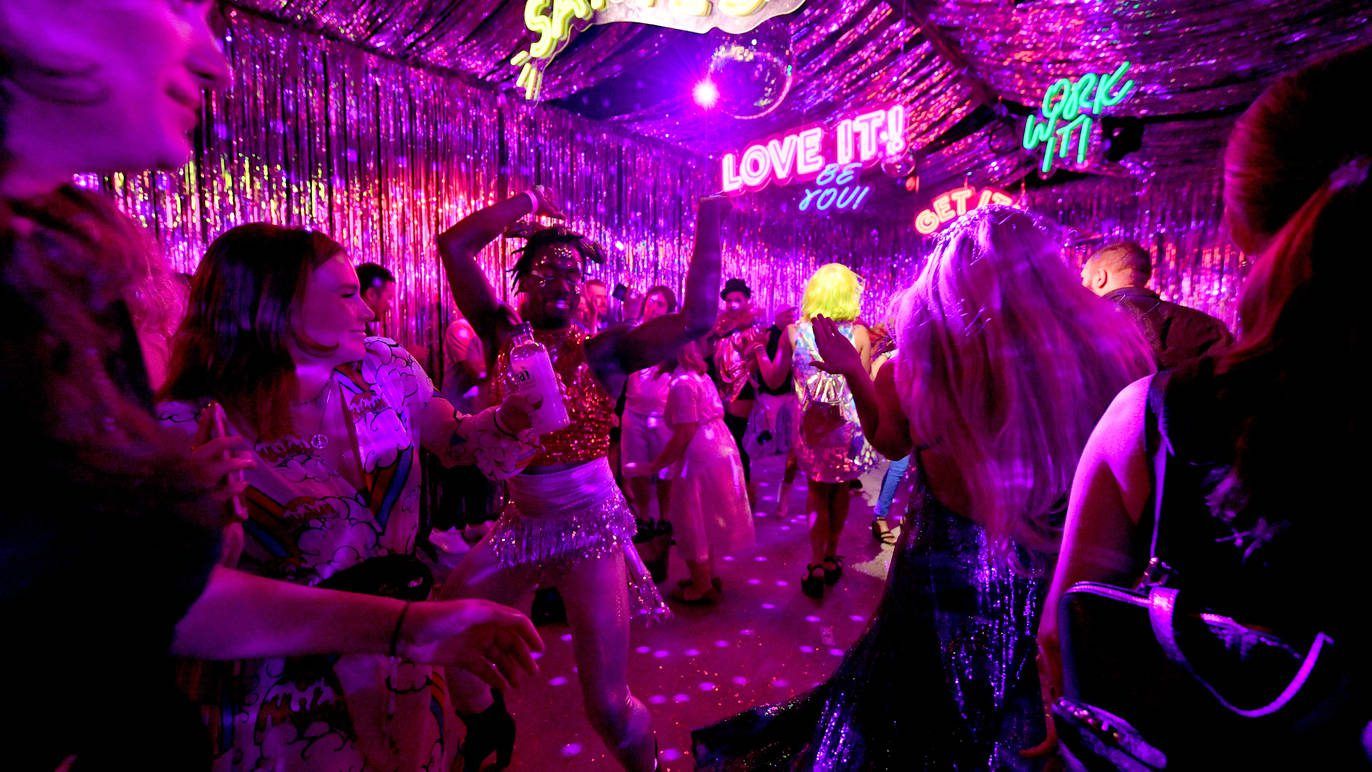
In the fall of 2015, Refinery29 first launched its pop-up event, 29Rooms. The interactive exhibition showcases work from retail brands, artists and celebrities across 29 rooms. Attendees can purchase tickets and visit the funhouse in one of several cities. Through this annual picture-worthy experience, the media company inspires visitors to post their own photos and spread the word about the brand.
The Rickmobile by Adult Swim
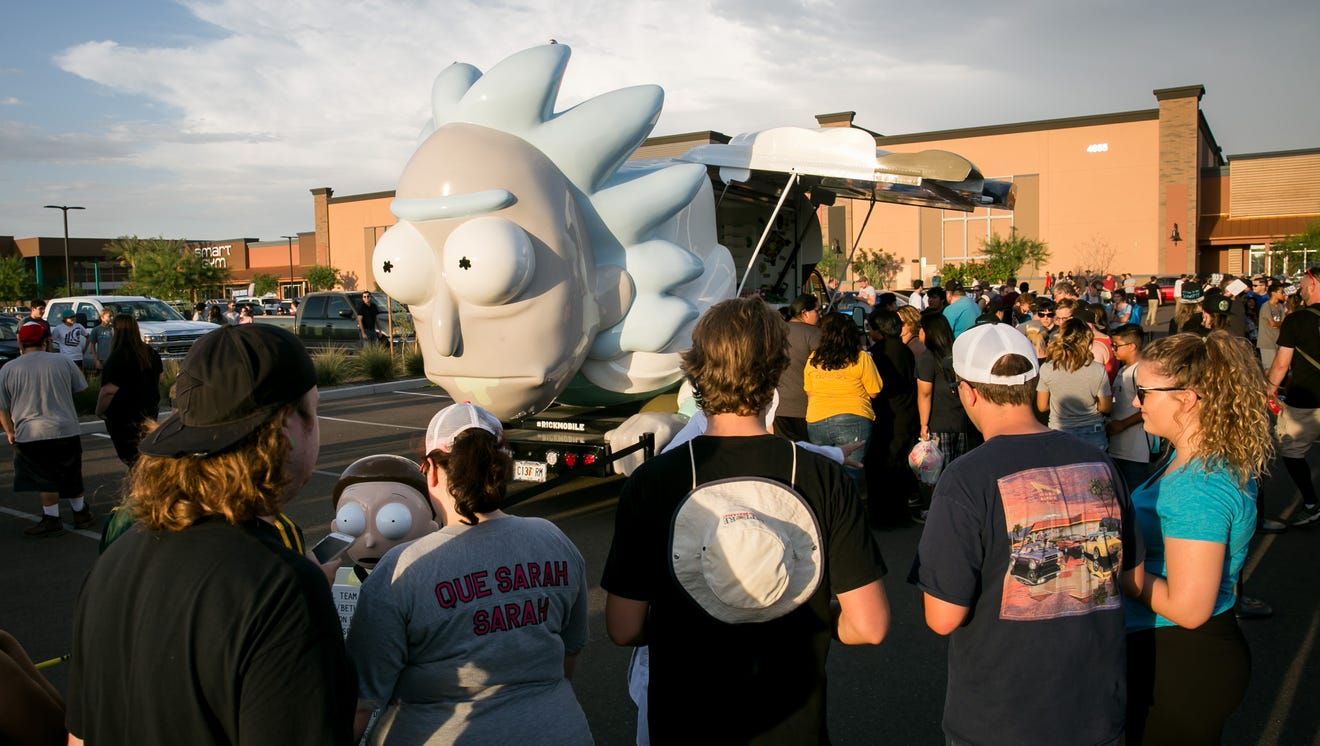
In 2017, Adult Swim began a 42-city tour with The Rickmobile, a vehicle designed to resemble Rick Sanchez from the television series Rick and Morty. Inside, it carried a variety of Rick and Morty-themed merchandise to promote season 3 of the show. Not only did it allow fans to purchase their own fandom merch, but it also generated hype through social media sharing.
Warm Wishes from Drybar
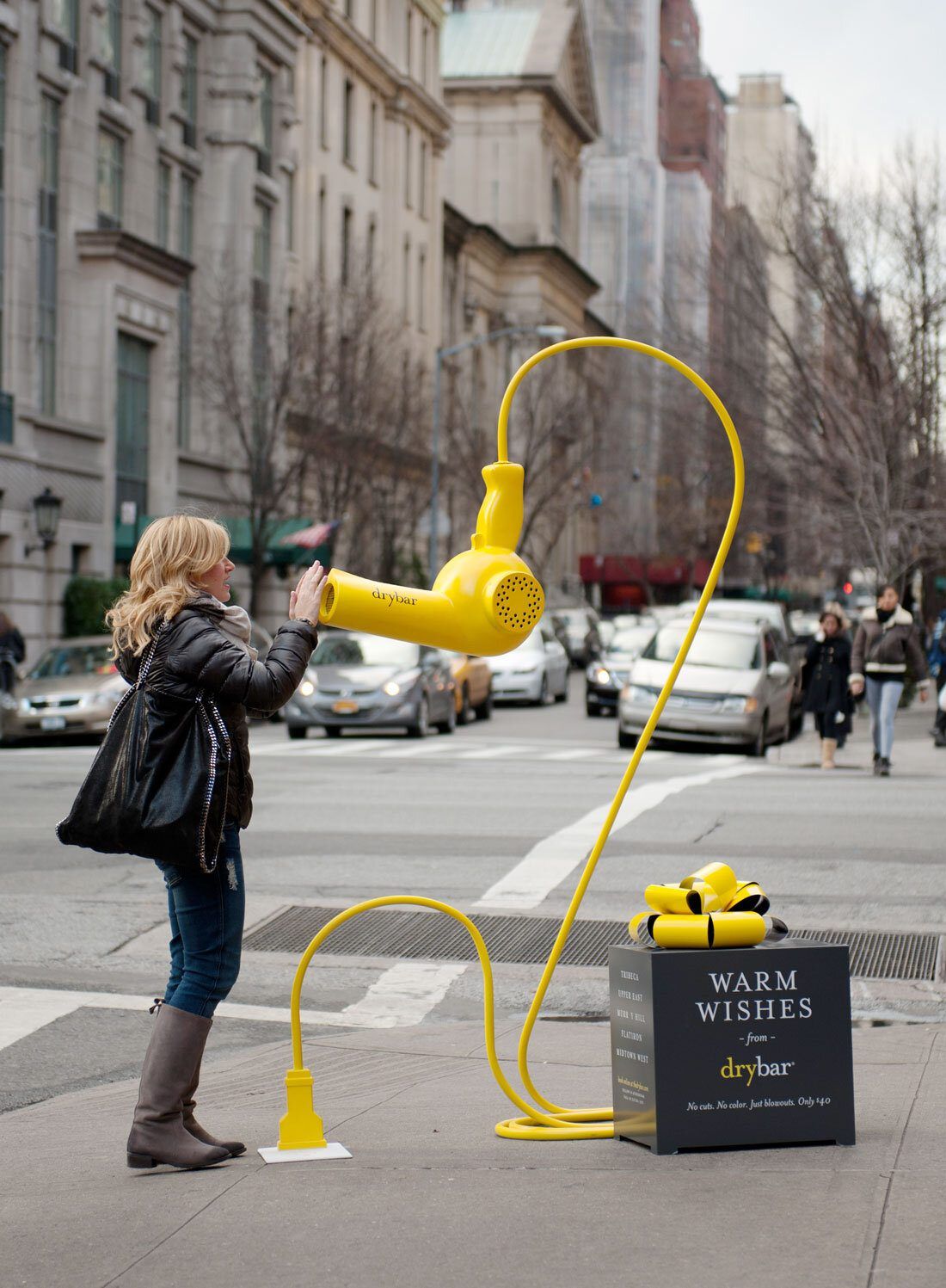
The California-based hair salon chain Drybar gained press by installing a hair dryer replica on the streets of New York City. Made to resemble the brand’s Buttercup official blow dryer, the sculpture blew hot air, enticing chilly pedestrians to stop by to warm up. In addition to making a statement with its bold appearance, this exhibit also created positive experiences for passersby who interacted with it.
How experiential marketing translates in the digital age
Experiential marketing relies on engaging audiences directly through unique customer experiences. Therefore, it may seem impossible to make a significant impact through a screen. However, many organizations have already started leveraging digital solutions to create or boost impact for consumers.
Using media and technology to amplify offline brand experiences
Marketers have been leveraging social media and technology to expand their campaigns’ reach since long before the pandemic. For instance, before an event kicks off, many organizations will partner with influencers and launch content marketing strategies to generate hype. By spreading the word online, many advertisers find that they can access a wider audience.
Another common strategy for increasing impact is creating a way for customers to engage with your marketing campaign online. For example, some brands will create branded hashtags or challenges to generate word-of-mouth buzz in digital spaces. Through these marketing tactics, many marketers are able to extend their influence beyond the duration of their campaign itself.
To give a better understanding of what this looks like, we’ve put together a few examples of experiential marketing efforts that use digital strategies to enhance their campaigns:
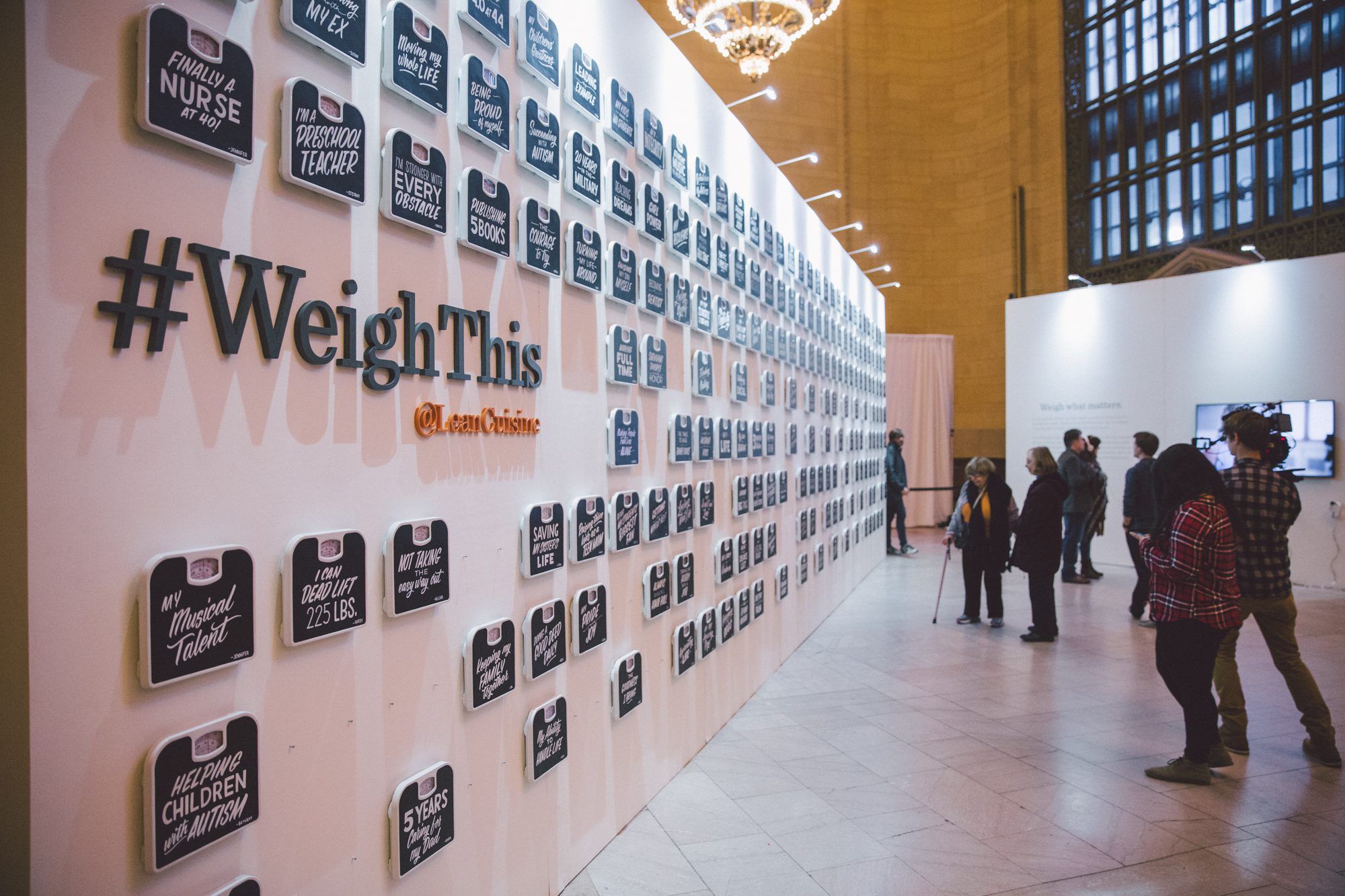
#WeighThis by Lean Cuisine
In 2015, Lean Cuisine launched a marketing campaign in which it set up an installation of scales in Grand Central Station. However, instead of weighing participants on the scales, they asked the women how they would want to be weighed. Some talked about their college degree while others shared about their role as a mother.
After the live marketing event, Lean Cuisine compiled the footage into a television ad showcasing the event and its messaging. With the #WeighThis hashtag, it also invited viewers at home to share about how they wanted to be weighed, sparking a conversation beyond the initial setting of Grand Central Station.
#ShareACoke by Coca-Cola
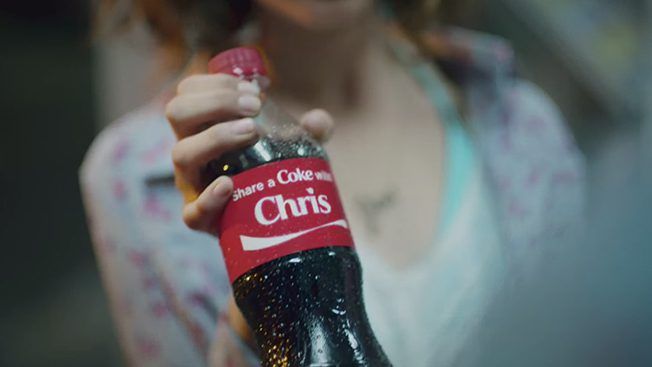
Coca-Cola’s Share a Coke campaign is potentially the best-known example of experiential marketing. It first launched in 2011 in Australia, where they sold bottles of coke with popular names printed on the labels. The campaign encouraged customers to buy cokes for their friends as they spotted bottles with their names. Eventually, the personalized marketing experience grew to reach customers across the world.
Outside of stocking stores with pre-labeled cokes, Coca-Cola also gave customers the opportunity to personalize their own bottles. Through the online store, customers could order their own cokes with custom labels. That way, everyone could get their own coke, regardless of their name or location. By creating a digital option, the brand enabled customer engagement for those who otherwise might not be able to participate.
Stillness in Motion by Delta
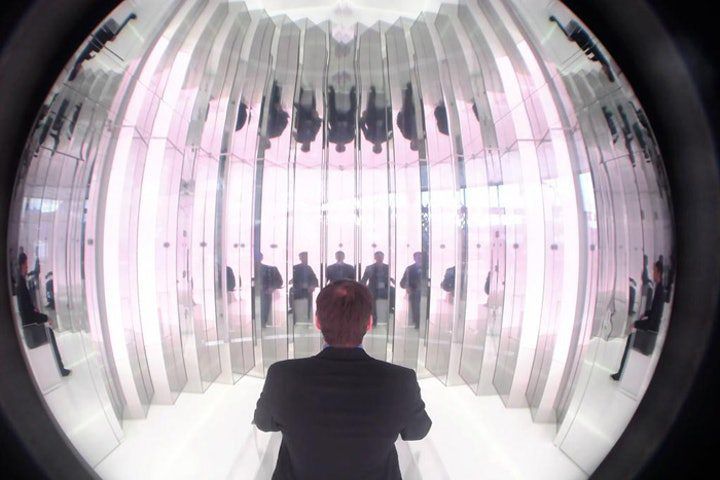
At the 2015 TED Conference, Delta Airlines set up an installation titled Stillness in Motion. Composed of mirrors and glass, the room aimed to offer each participant a moment of stillness. During each session, an individual would sit in a chair in the middle of the room and activate a heart rate monitor. From there, the elements of the room would sync up with the participant’s heart rate as they become increasingly relaxed.
After the experience was over, a brand ambassador would show the individual a photo of their stillest moment. Then, they’d encourage them to share it on social media, along with a story of their experience. Although the experience was confined to a single event, Delta’s campaign reached far beyond the participants, gaining 9.3 million impressions on Twitter.
Delivering online experiences
In addition to conducting event marketing and customer engagement efforts digitally, many marketers have also tried launching experiential marketing events entirely online. While being confined to an online space may certainly feel limiting, you can still achieve the same level of impact, as long as you use your creativity.
Many brands try to get customers involved with interactive campaigns like votes or contests. By getting your customers to debate or compete, you can inspire emotion-filled engagement. Some marketers also try to replicate live events by creating virtual experiences or online classes. After all, an at-home Zumba class will still get your customers’ blood pumping, even if it’s not quite the same as the real thing.
Need some inspiration before launching your own online experiential marketing strategy? We’ve put together a few of our favorite digital campaigns over the years:
A Lashtastic Virtual Media Campaign by Benefit Cosmetics
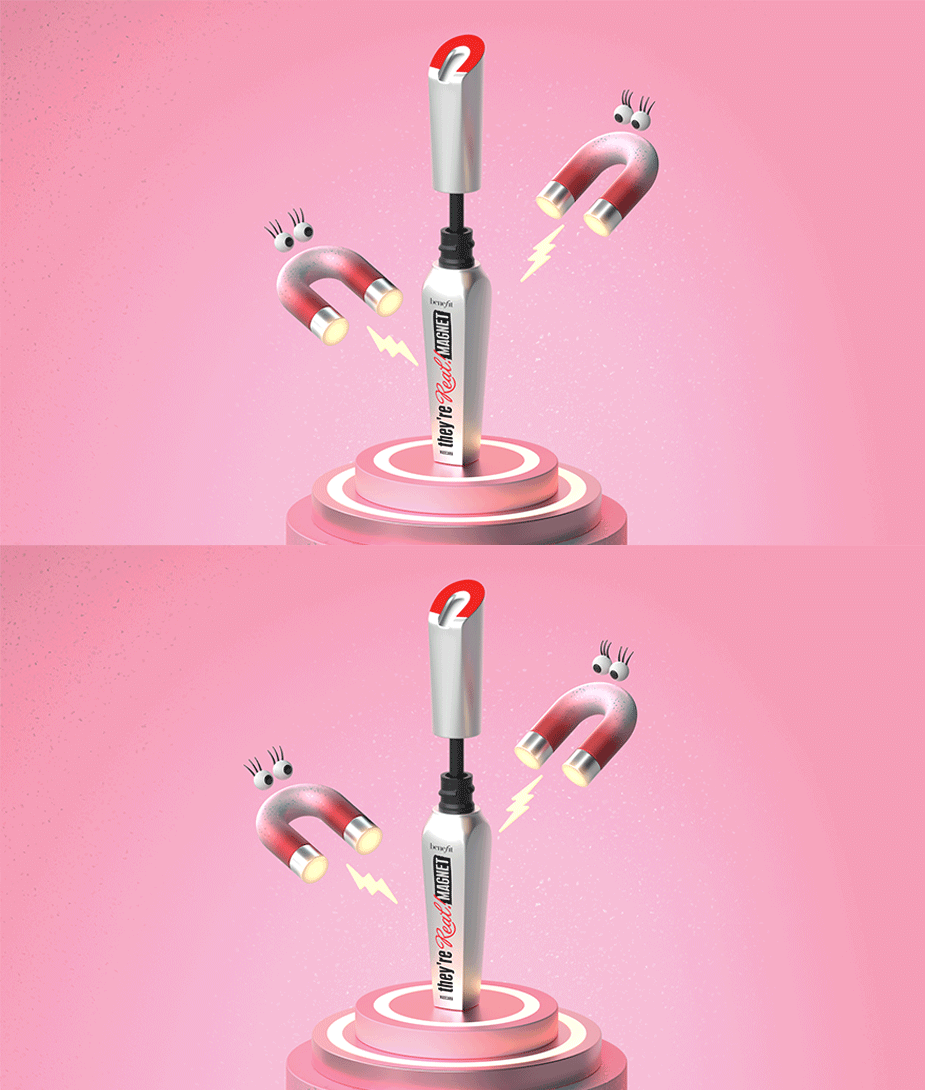
In early 2021, Benefit Cosmetics released a virtual experience to promote its launch of They’re Real! Magnet Extreme Lengthening Mascara. The campaign employed a form of virtual media called Virtual Atoms to create a game in which participants could use their phone cameras to collect “magnetic surprises” across a digital space. They could later use these items to spin-and-win prizes from Benefit, including virtual beauty consultations or product discounts.
By creating a gamified experience for participants, Benefit succeeded at engaging a large audience without incurring any additional costs as the campaign scaled. Additionally, since the prizes were directly related to the company’s offerings, it also directly generated business.
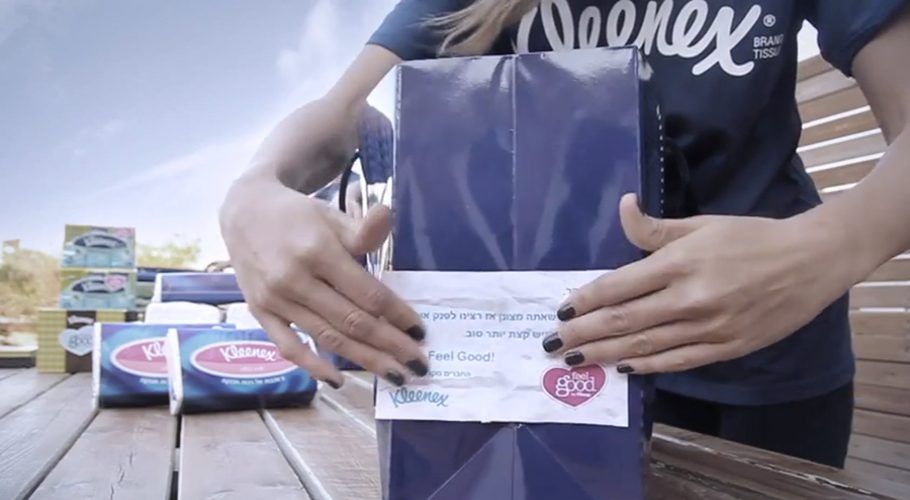
Feel Good by Kleenex
In the Kleenex Feel Good campaign, the paper-product brand delivered 50 surprise care packages to sick recipients. Marketers at Kleenex pulled this off by monitoring Facebook statuses to identify users who mentioned feeling under the weather at the time. Then, they contacted the potential recipients’ friends to get their addresses in order to send them a “get well soon” kit.
In the end, 100% of the recipients posted a photo of the gift on social media. All in all, the campaign generated roughly 650,000 impressions from the push.
While the surprise and delight method may not be entirely virtual, it’s an effective marketing solution for when you can’t reach your audience in person. Delivering gifts or surprises can also help boost customer loyalty and foster goodwill with your audience.
The Kleenex campaign was especially impactful due to its strategic targeting. By selecting the recipients from a pool of candidates who were active and sharing on social media, the marketing team raised their chances of choosing people who would post about receiving the package.
“Did you mean…?” by Mailchimp
Mailchimp’s “Did you mean…?” campaign was inspired by a moment on the podcast Serial, where one young girl mispronounced the company’s name in the sponsorship announcement. The clip made its rounds on the internet, and the email marketing company decided to get in on the action.
Mailchimp took the joke to another level by creating nine fake brands out of variations of the brand name, from FailChips to KaleLimp. Then, it created a variety of products, websites and promotional videos for the brands. It also placed ads across several marketing channels, including billboards, subway stations, trains and social media posts.
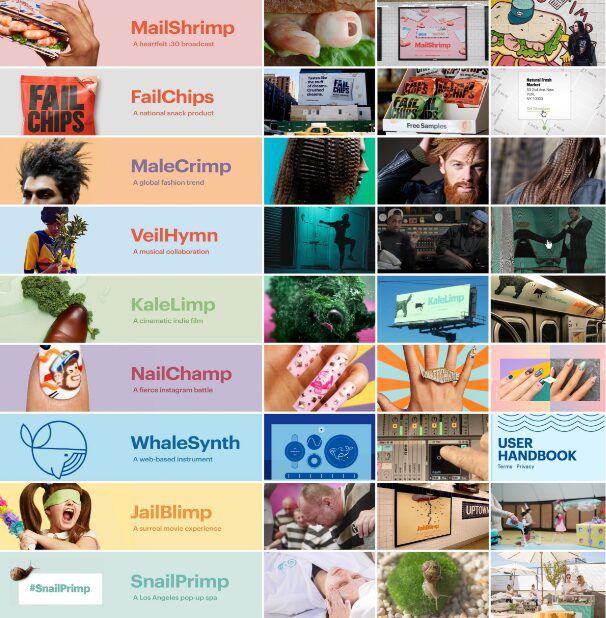
The company didn’t reveal that its marketing team was behind the whole operation. However, searching up any one of the fake brand names would prompt Google to ask “Did you mean… Mailchimp?”
With its widespread reach, the “Did you mean…?” campaign made an impact among email marketers and non-marketing consumers alike. By bringing out-of-the-box ideas to life, it caught the attention of anyone who came across the campaign, whether online or in-person.
Learn more about how to reach customers directly
To recap, experiential marketing is a high-impact strategy for generating brand awareness both online and offline. However, it’s not the only effective brand activation tool out there. Check out our blog posts to learn more about how to launch advertising campaigns with a high ROI:
- •How To Run Newsletter Sponsorships in 2023
- •Email List Rentals: How to Increase Your Ad ROI with Dedicated Email Advertising
- •Which Kind of Content Sponsorship is the Best Fit for Your Brand?
Sign up with Paved to get all of the tools you need to run successful newsletter sponsorships.