Email marketing is a tried and tested B2B strategy. But just because it's an older tactic, don’t think you get away with age-old methods. Sending mass cold emails may have worked once – today though, modern email marketing is highly targeted. It’s designed so that when it reaches a customer, they will likely be drawn in.
How can you create email marketing that leaves an impact? The answer lies in B2B customer segmentation. But what exactly is segmentation and how can it be used effectively?
The role of email marketing in B2B strategies
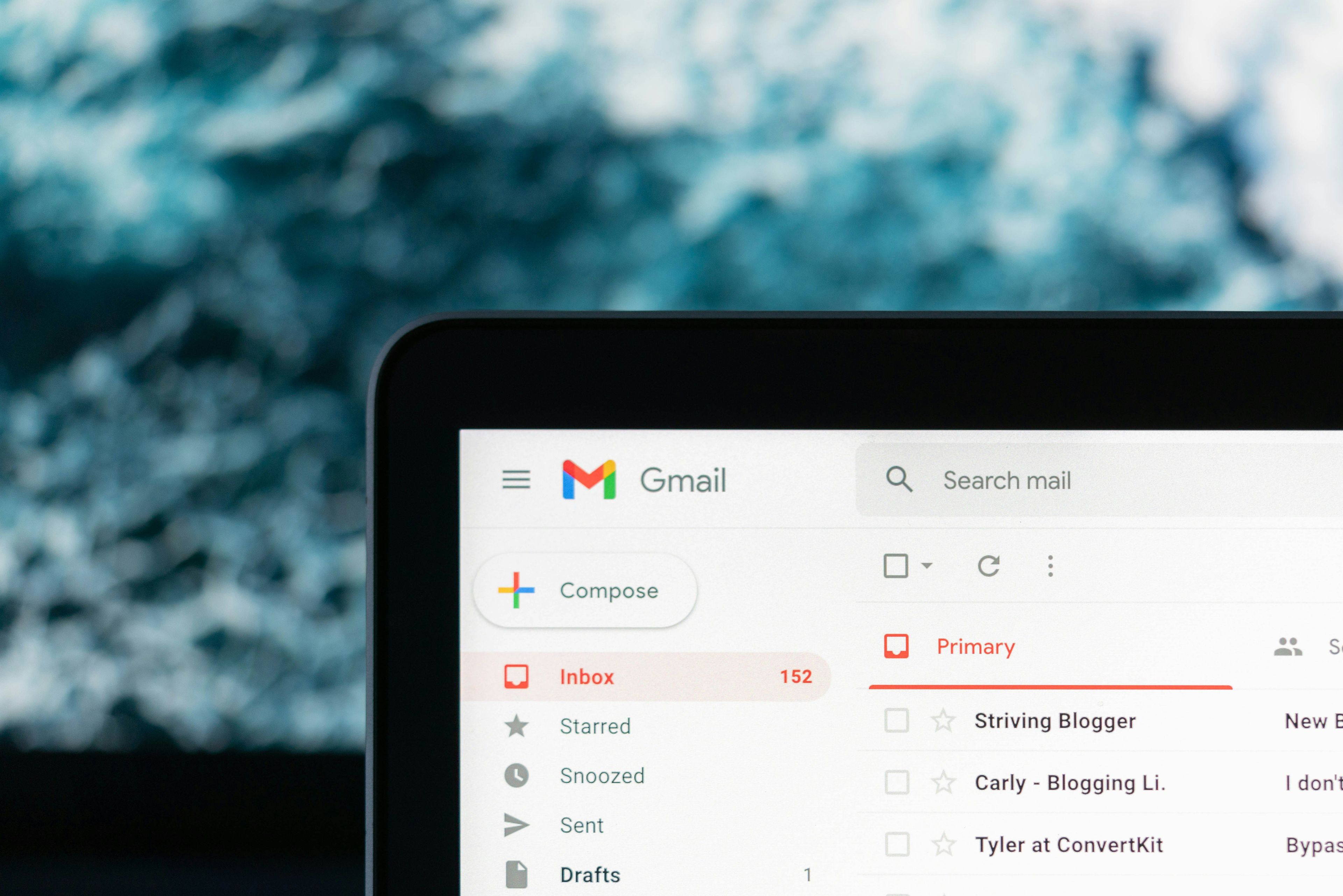
Email marketing has long been a major B2B tactic for boosting brand awareness. Even if a prospect isn’t actively engaging with your brand, they’ll see your emails regularly. You’ll stay in their minds, and when they’re looking for a solution in the future, you’ll be their first port of call.
Aside from brand awareness, email marketing helps B2B brands in many ways. These include:
- •Keeping in touch with customers and fostering brand relationships.
- •Notifying recipients about an ongoing sale or deal.
- •Sending email newsletter campaigns about product releases and other company news.
- •Generating feedback from surveys and customer reviews.
Despite the skyrocketing popularity of social media, email marketing has remained as popular as ever. For proof, you only need to look to research. Half of US B2B marketers list email marketing as the channel with the biggest impact on their multichannel strategy. This is ahead of social media (33%) and content marketing (26%).
As mentioned, modern B2B email marketing is highly targeted, which is why it is complementary to customer segmentation.
Understanding B2B customer segmentation
In a nutshell, customer segmentation is the process of breaking customers into smaller groups. Picture your existing target audience: it’s probably made up of many different types of customers. This may include businesses from various industries with differing needs and working methods. If you take a blanket approach, your email marketing isn’t likely to land.
Segmentation separates your audience based on the above factors. And the good news is that you can be as broad or as narrow with your segmentation as you’d like. You can get extremely specific, such as targeting businesses from a specific geographic location. Or you can take a more general approach, for example, segmenting based on the business sector.
But why do B2B businesses view segmentation as being so important? It’s because the tactic allows organizations to create more personalized experiences. Once a segment has been created, it can be applied to your email marketing. This means that recipients will be sent marketing communications that are more likely to respond to their needs and interests.
The stats about personalization speak for themselves. Year-on-year engagement with calls-to-actions increased by almost 70%. At the same time, YoY requests for product demonstrations shot up by 4x, and YoY conversion rates doubled.
4 steps to implement B2B segmentation for email marketing
Segmentation is the key to delivering effective B2B email marketing campaigns. But where should you begin? Stick to the following steps when implementing customer segmentation.
1. Identifying segmentation criteria
Segmentation begins by asking a simple question, ‘Who is my audience?’ Without an answer, you’ll be splitting your customers into irrelevant groups. For example, if you’re marketing your product to customer support, there’s no point in segmenting based on customers who work in HR.
So, the starting point should be learning who exactly your customers are. Basic market research won’t deliver the info you need. The answer lies in getting a birds-eye view over your customers or clients. There are multiple ways that you achieve this:
- •Gathering data - Collect as much data about your customers as possible. Try to dig deep and gather the data needed to create customer profiles. We’ll discuss data collection in more detail in the next section.
- •Surveys - These can be a fantastic way of getting to know customers. The right survey tool allows you to structure the conversation on your terms. You can choose between multiple-choice and more descriptive answers, helping you to pinpoint the information you need.
- •Researching competitors - Who are competitors marketing their products to? What tactics are they utilizing? This information will help structure your approach.
2. Data collection and analysis
Data is at the heart of segmentation. You’ll need lots of information to create accurate segments. Of course, simply having data isn’t enough to get the insights needed for segmentation. You need tools capable of turning raw data into actionable insights.
As a B2B business, you probably already have many different data sources. Your website, for instance, can be a veritable goldmine of information. What does the average journey to a customer conversion look like? What forms of content marketing do users enjoy? A website analytics tool can help you unpack this data, providing many useful reports.
Customer support can be another useful source of data. Call recordings can help you to learn more about the average customer. What are the most common problems facing your customers? What steps did agents take to resolve a problem successfully?
It’s worth implementing an ERP to stay on top of your data and identify the most useful channels for segmentation. If you’re wondering, ‘What is ERP implementation?’ It’s the process of installing software that centralizes critical business data. In effect, this gives you a birds-eye view of your data collection activities and helps you plan for the long term.
Ultimately, any data that your business collects can be segmented. So, consider upping your data collection to support your personalized email marketing.
3. B2B Segmentation model development
Your segmentation model helps determine how to divide customers into smaller groups. You have many different options for segmentation. Below are some of the most common examples.
- •Demographic segmentation - Arguably the most common form of segmentation. As the name suggests, you break data sets down based on various demographic factors. In a B2B context, this is sometimes described as firmographic data.
- •Value-based segmentation - Which customers bring the most value to your brand? This form of segmentation groups these customers together so that you can get the most from your marketing.
- •Geographic segmentation - It guarantees that your emails are only sent to customers in certain locations. You could segment based on a country, region, or even town or city.
- •Psychographic segmentation - This option groups individuals based on certain values. Segmentation can also be applied based on hobbies and general interests. This is a simpler task for B2C marketing, as B2B often involves people from a wider range of backgrounds.
- •Technographic segmentation - It focuses on the technology used by customers. Let’s imagine that your business produces email management software. You can segment customers based on their existing email management solution to create more targeted mail. For example, you might have a subject, “Best Alternative To BRAND NAME’’.
4. Integration with email marketing platforms
Most data analytics tools can be easily integrated with email marketing platforms. It’s worth checking with your provider to see how this can be achieved. Once linked, data should start flowing into your email marketing tool. This can then be segmented and applied to your email marketing campaigns.
Creating segmented email campaigns
We’ve already reflected on the importance of finding your target audience. It’s a crucial factor in creating your segmented email campaigns. Within each area of segmentation, there may be specific groups of customers more likely to respond to your campaigns.
But various factors will inform your strategy. Your geographic segmentation might, for example, have identified that your market share in a particular region is low compared to others. In this case, you might develop a campaign that targets that region.
Another example would be looking at the different values that customers deliver. If certain groups bring greater value, it might be worth identifying other customers with similar attributes. These can then be targeted in a marketing campaign.
Even a factor such as your current inventory capacity could influence segmentation. By combining audience data with other insights from your inventory management software, you can create email campaigns to help you get the maximum value from your stock. You could consider targeted promotion of overstocked products to those who are most likely to be interested.
Often, information from various segments will be combined. This makes sure that campaigns target the areas that will deliver the greatest value from your campaigns.
Measuring success and optimizing segments
Segmentation shouldn’t be a one-and-done process. It’s an ongoing tactic that changes over time.
It’s also important to ask yourself some of the following questions.
- •Did my marketing achieve its goals?
- •Was my target audience properly defined so that segmentation focused on the right customers?
- •What insights can I draw about my audience from this campaign?
- •Can I create more targeted results by segmenting further?
Use your answers to influence your approach to future campaigns. By continuously evaluating and improving your segments, you can create more optimized future campaigns.
Key takeaways
There’s no denying that email marketing is still a valuable tool in the B2B arsenal. In this article, we’ve explored how you can implement segmentation into your approach.
Customer segmentation breaks customers down into smaller subgroups. It’s an essential tactic for providing personalized B2B email experiences. Of course, the first step to segmentation is identifying your audience. This means collecting enough data to produce accurate and targeted segments. Regular evaluation is key for optimizing your strategy over time.
The right segmentation can help you cut through to your core audience. Why not embrace a data-driven approach and get segmenting today?