Email newsletters are an amazing opportunity for brands to stay in touch with their audience, engage them, and convert them into customers. Whether you own a small business, an established corporation, or any type of business, newsletters are your secret weapon for building long-lasting relationships.
So, why do marketers hesitate to include email newsletters in their marketing strategy? It's due to the fear that it’s more time-consuming, costly, or technical than they can take. And while this might have been the case a few years back, things are different now. With the right tools, you can kick off your email newsletter strategy without having to spend too much time and money or becoming a tech expert.
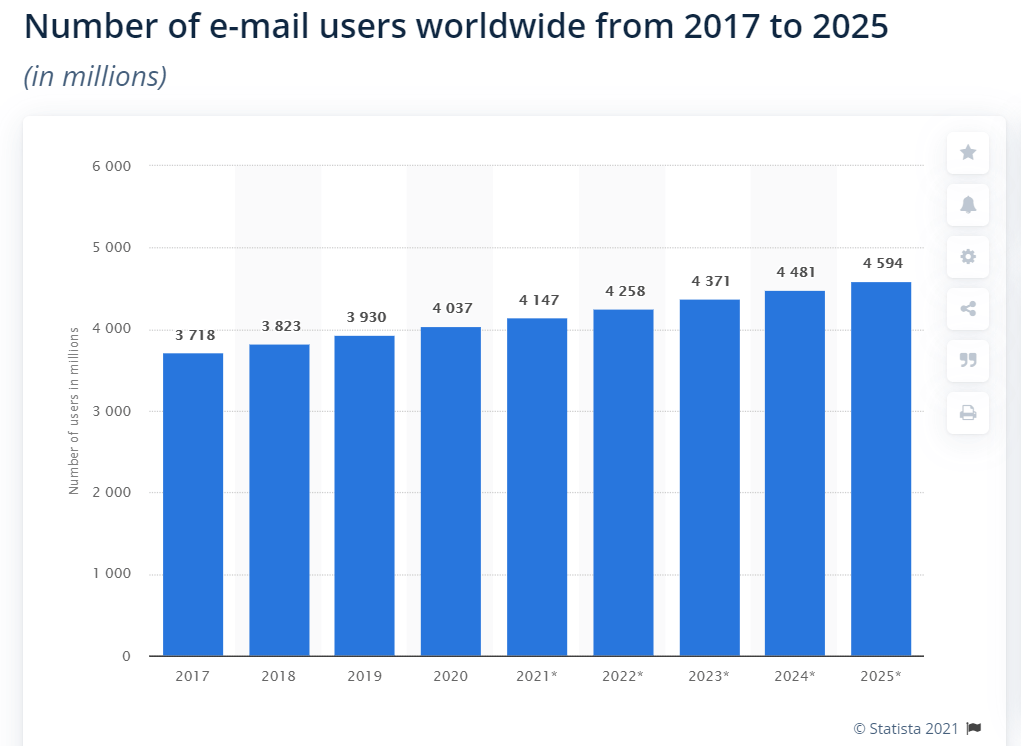
What's an Email Newsletter?
An email newsletter is a type of email sent out by organizations or individuals to the recipients of a mailing list. That list consists of existing and potential customers who have given you their email addresses and consented to receive email marketing material from your business.
Email newsletters inform subscribers about important business news, such as product or service releases and updates, important announcements, personalized recommendations, industry-related tips, fresh blog content, and more. They are usually dispatched at a certain cadence to help you engage your customers and create brand loyalty.
Why Do You Need Email Newsletters?
With the rising popularity of social media, many marketers think that a humble email newsletter gets them nowhere. Make no mistake, though: email newsletters still generate an impressive ROI. Every email sent and every email recipient added has a monetary value. So, ignoring your newsletters is leaving money on the table. But let’s dive a bit deeper into why email newsletters impact your business growth.
- •Emails are more affordable than other marketing tools like paid advertising or influencer marketing - they are even cheaper than traditional methods like print products
- •Newsletters generate website traffic seeing that subscribers are more likely to open them and hit on your email CTA if they find content that’s relevant to their needs
- •A newsletter offers you a direct line of communication with your customers and increases the chances of you building a personal relationship with them
- •Frequent contact with your audience makes your brand stay top of mind, creates trust, and motivates recipients to convert into paying customers
- •Statistics coming from your newsletters are easy to track and use to build detailed buyer personas, produce tailored content, and improve your overall strategy
We have given you enough reasons to give email newsletters a go. Now we’ll focus on presenting a step-by-step guide on creating email newsletters that get opened, read, and turned into conversions.
5 Tips for Creating a Standout Email Newsletter Campaign
1. Choose an Email Newsletter Software
The first thing you need to do before planning your strategy is to find an email newsletter software that allows you to build, dispatch, automate, and monitor your campaigns. Having so many email newsletter solutions available might be frustrating. There’s a wide range of email service providers and each of them comes with its own features and pricing. So, what should you be looking for?
First of all, you have to be proactive when considering the features you need. Bear in mind that you need a tool that allows you to scale. That way, you’ll avoid changing it as your business grows. When you’re just starting out, perhaps advanced capabilities and high-tier plans won’t be a necessity. As your newsletters begin to bring results, you should upgrade your strategy and take advantage of more sophisticated features.
Here are some things to keep in mind while deciding which email newsletter solution is the right one for your objectives and budget:
- •List management features to manage your email recipients with ease, along with segmentation and personalization options for creating targeted email content
- •Drag-and-drop email editor with a user-friendly interface that lets you create your email campaigns in no time, even if you are a beginner or lack the technical skills
- •A library of built-in newsletter templates with customization options to tweak the design to your requirements by adding, editing, or removing components
- •Complying with GDPR and data protection regulations ensures subscribers have given their consent to receive email material from your company. Also, it lets recipients know that you manage their data according to data ethics.
- •High deliverability rates so that your emails reach recipient inboxes and don’t end up in the spam folder, which, in turn, ends up hurting your sender reputation
- •Detailed reporting that you can analyze to follow a data-driven approach and optimize your email performance
2. Define Your Newsletter Objectives
There’s no point in working on your newsletter before identifying your objectives. Your specific objectives depend on your brand’s vision and values. An effective newsletter is always goal-oriented and aligned with your audience’s unique needs and your overall content strategy.
You should start by asking yourself questions like:
- •What is my primary focus? Is it acquiring contacts, improving customer relationships, generating website traffic, promoting products, or something else?
- •Who are my buyer personas and what are their pain points?
- •What should be my newsletter cadence?
- •What is my brand’s unique selling proposition and how will my newsletter showcase it?
After determining your newsletter objectives and the best practices to achieve them, it’s time to decide on your key metrics so that you can measure success. It’s preferable to select performance indicators that match your overall marketing goals. So, don’t limit yourself to tracking your open rates, but ensure you include other valuable metrics like unsubscribe and bounce rates or conversions.
3. Build Your Email List
Think of your email list as a database containing all the recipients who signed up and agreed to receive email content from your business. Building an email list with engaged subscribers is relatively simple if you keep up with essential list management practices.
First of all, make sure all recipients joining your list follow a double opt-in procedure. This actually means that, upon subscribing, users receive an email to confirm the process and give you consent to send them emails. Through this procedure, your list becomes GDPR-compliant, which, in turn, helps you improve deliverability rates.
A solid and healthy email list requires constant management. This is achieved by regularly cleaning your lists - every six months is an adequate time frame. Old email lists may contain uninterested recipients that not only ignore your messages but also damage your sender reputation. You’ll also have to look through your lists to verify the email addresses contained in them and check for typos or bogus addresses.
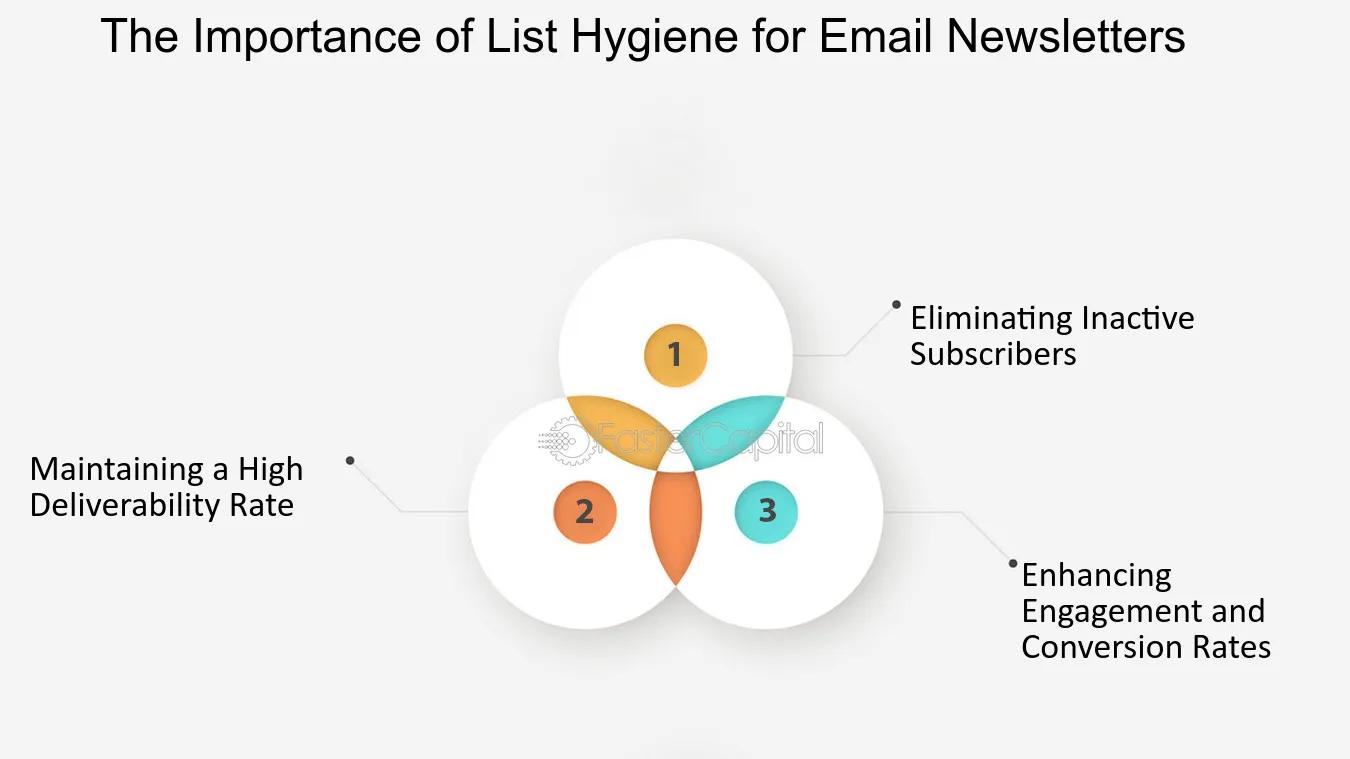
Whatever you do, never ever buy email lists. It damages your authority as a sender and undoubtedly leads to low deliverability. Don’t neglect to include a clear and visible unsubscribe link in case your subscribers want out. Unengaged subscribers leaving your email list shouldn’t upset you since they wouldn’t be interested in your news. Always remember that, when growing your list, you must invest in healthy practices to keep your emails out of the trash folder and your readers loyal to your brand.
4. Pick or Design an Email Newsletter Template
Once you have the first steps sorted out, you are ready to get things moving by selecting or designing your newsletter template. Most email marketing platforms offer a wide variety of built-in, professionally designed templates that you can use as a starting point - especially if you aren’t familiar with email design. You can tweak them to fit your brand tone by adding or removing elements through handy drag-and-drop email builders.
Bear in mind that your newsletter design should be consistent with your branding. Having a custom design theme is one of the most effective ways to stand out in a stuffed inbox. Choose specific colors, fonts, and layouts that resonate with your brand to create a recognizable customer touchpoint. If it sounds like a lot to take on, let us say it’s far from true. Most email builders let you upload your company colors, layout, and logo to customize pre-made templates and have them ready for future use.
However, if you or your marketing team members have technical skills, you can opt for building your newsletter template from scratch and have it look exactly as you wish. Just make sure your email design is scannable, readable, and mobile-friendly. Also, email design accessibility should never come as an afterthought. It’s vital to deliver the same impeccable email experience to all readers, no matter their impairments or external circumstances.
5. Monitor Performance and Optimize
Now comes one of the most crucial moments in email marketing: studying email analytics. Measuring your newsletter efforts is turned into a walk in the park through the reporting capabilities most ESPs offer you. You gain access to metrics such as opens, clicks, bounces, unsubscribes, conversions, and more.
These metrics, especially click-through rates, give you a first idea of how recipients are responding to your newsletters. Just make sure you read them correctly to identify the components that actually need improvement. For instance, if your open rates are low, that means you probably have to look into your email subject line performance.
Also, check how your newsletter did based on the objectives set at the first step of email newsletter creation. Which newsletter elements served your goal and which can be tweaked to perfection? Determine which changes did your audience justice and try to implement the adjustments required in future newsletters.
Bonus Tips for Setting Up Successful Email Newsletters
1. Your email content always comes first
It might sound like stating the obvious, but the email newsletter content is a critical component of its success. In their effort to entice recipients with eye-catching designs, many marketers tend to forget the thing that matters most: the message delivered.
No matter the email purpose, the content shared and the way you communicate it is of utmost importance. Newsletters usually promote multiple pieces of content, but you should avoid including too much in the same newsletter. That’s because subscribers usually tap on the first call-to-action. Craft your CTA copy to be actionable and straightforward so they know exactly where they will be directed by clicking on it and what you expect them to do.
Also, make sure your newsletter structure places the most important information first. Readers hate getting lost in long chunks of text or distracted by countless visuals. Last but not least, never neglect your email subject lines since they are the first thing readers notice and what urges them to open your emails. So, keep them short, precise, engaging, and compatible with the email copy.
2. Dive into personalization
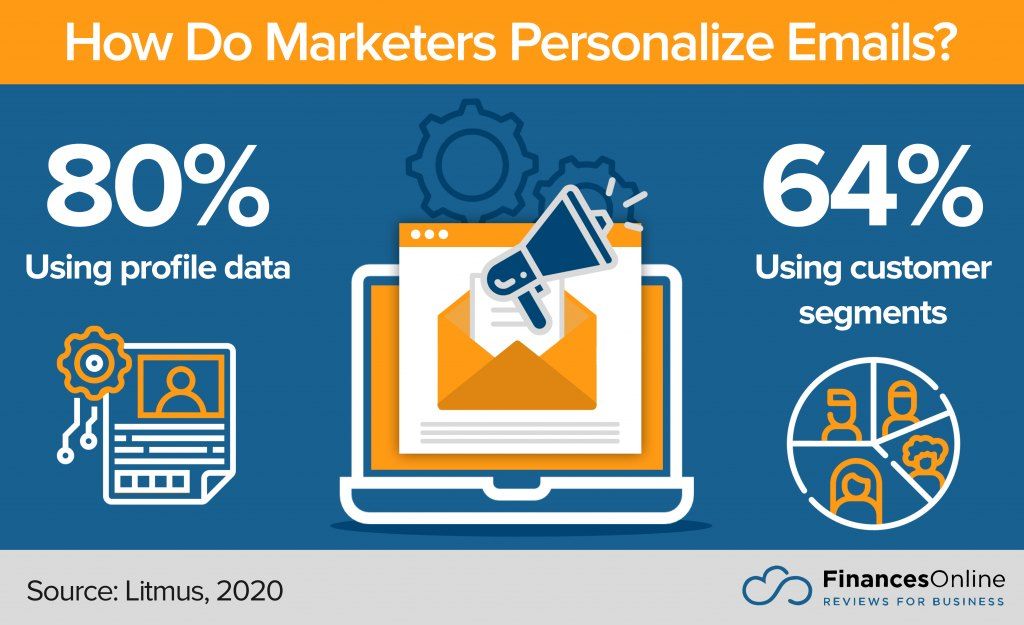
Following on from the previous tip, well-structured and clean newsletters will do you no good if your subscribers don’t find value in your messages. The first prerequisite for that to happen is to keep delivering personalized email content that meets your readers’ preferences and interests. However, don’t limit yourself to adding the subscriber’s name in the email subject line; it probably won’t be enough, living in the era of hyper-personalization and all.
Personalization works wonders for your newsletters as long as you create thoughtful segments based on specific parameters like your audience’s demographics, geolocation, preferences, behavioral habits, and more. This process brings you one step closer to personalizing your emails since you can use the data in your possession to inspire the type of content you dispatch to each segment.
Solid ESPs enable you to apply effective segmentation through several criteria depending on your objectives. And let’s not forget that you can always motivate recipients to group themselves by asking them to fill in their preferences or a dedicated survey. This way, you get the information directly from your audience and craft messages that resonate well with them.
3. Incorporate visuals - but use them wisely
Undoubtedly, convincing email copy is effective enough to communicate your message. But the benefits that come along with throwing in some visuals are numerous. Eye-catching visuals grab your readers’ attention while conveying crucial information and encouraging them to engage with your email content.
There are various ways to go at it: add valuable content in the form of videos, include high-quality product images, or even give your call-to-action a visual twist. Whatever you do, don’t neglect to enrich your email design with your company logo and other brand design elements so that readers can easily connect your newsletters to your brand.
Also, always create alt text for your images so that users with screen readers or the ones that don’t enable images in their emails have an idea of what they are about. It’s important that you follow accessibility guidelines and test your visual content across different email clients and devices to ensure they are properly displayed. Last but not least, use visual elements wisely because image-heavy emails are more likely to end up in the spam folder or get blocked by ISPs, thus hurting your deliverability.
4. Optimize your sending time and frequency
The time you dispatch your email newsletters is a crucial factor for optimizing their performance. In specific industries like B2B companies, the best sending times and frequency have been established more or less. Nonetheless, you shouldn’t rely on such data without testing different sending times and comparing how they performed. Also, you must keep monitoring critical email marketing KPIs to understand what works best for your recipients.
Seeing that newsletters are sent to readers periodically, it goes without saying that you should have a certain cadence for your newsletters. Sending them on a weekly or monthly basis is generally considered a safe option, but you can always perform some A/B tests to find the perfect cadence for your business and audience. After you decide on the frequency, ensure you stick to the schedule and dispatch your email newsletters as regularly as promised. Doing so helps you build trust and get the most out of the communication with your customers.
Conclusion
Creating email newsletters could turn into an intimidating and time-consuming task. At least when you try to do it without proper planning or using an email newsletter software that will get most of the work done for you.
All you have to do is pick the tool that fits your requirements, define your goals, carefully collect and handle your email recipient data, and craft your newsletter design and content. Right after that, it’s time to hit that button and send your newsletter. Then, you´ll need to assess its performance. But keep in mind that optimizing your email newsletter performance is an ongoing process, even after you get the desired results.
Never stop tailoring your email newsletter content to fit different segment needs, monitoring sending times, and asking for your leads and team members for feedback. Trust us when we say that if you follow the steps shared here, you’ll be well on your way to building a brand that your prospects love and trust.

This guest post was written by Maria Fintanidou. Maria works as a copywriter for email marketing automation software Moosend, having created the Help Articles (FAQs) and overseen the platform’s translations in Greek and Spanish. She loves exploring new cultures and ways of thinking through traveling, reading, and language learning.