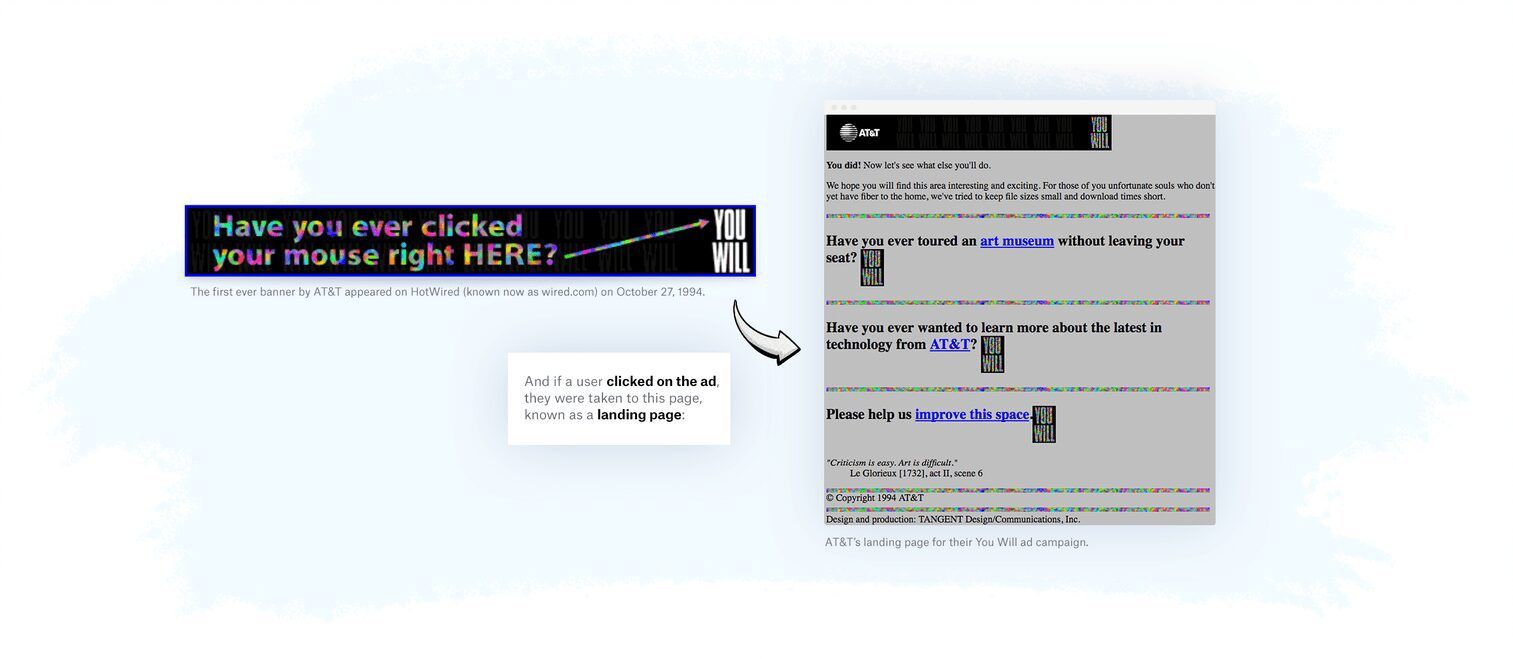
From the start of online advertising, display ads were accepted as the go-to format. In fact, the first digital ad was a banner placement for AT&T published on HotWired.com. However, in recent years, native advertising has emerged as a popular strategy, favored for its non-invasive appearance and enhanced user experience.
When allocating ad spend, many marketers struggle to decide which format to dedicate their budgets to. Let’s talk about native ads vs. display ads, including the pros and cons of each, and which is best for your marketing strategy.
What is native advertising?
Unlike traditional advertising, native advertising is known for mimicking the appearance and layout of the surrounding content. While many ads aim to stand out to capture visitors’ attention, native ads intentionally blend in. Many consumers prefer native advertising because it allows them to view content without interruption, often offering some value on its own.

Keep in mind that simply wrapping your ad in organic content doesn’t automatically make it native. Rather, native advertising should integrate into the design and experience of the platform or publication. In some cases, even standalone materials can achieve the same effect.
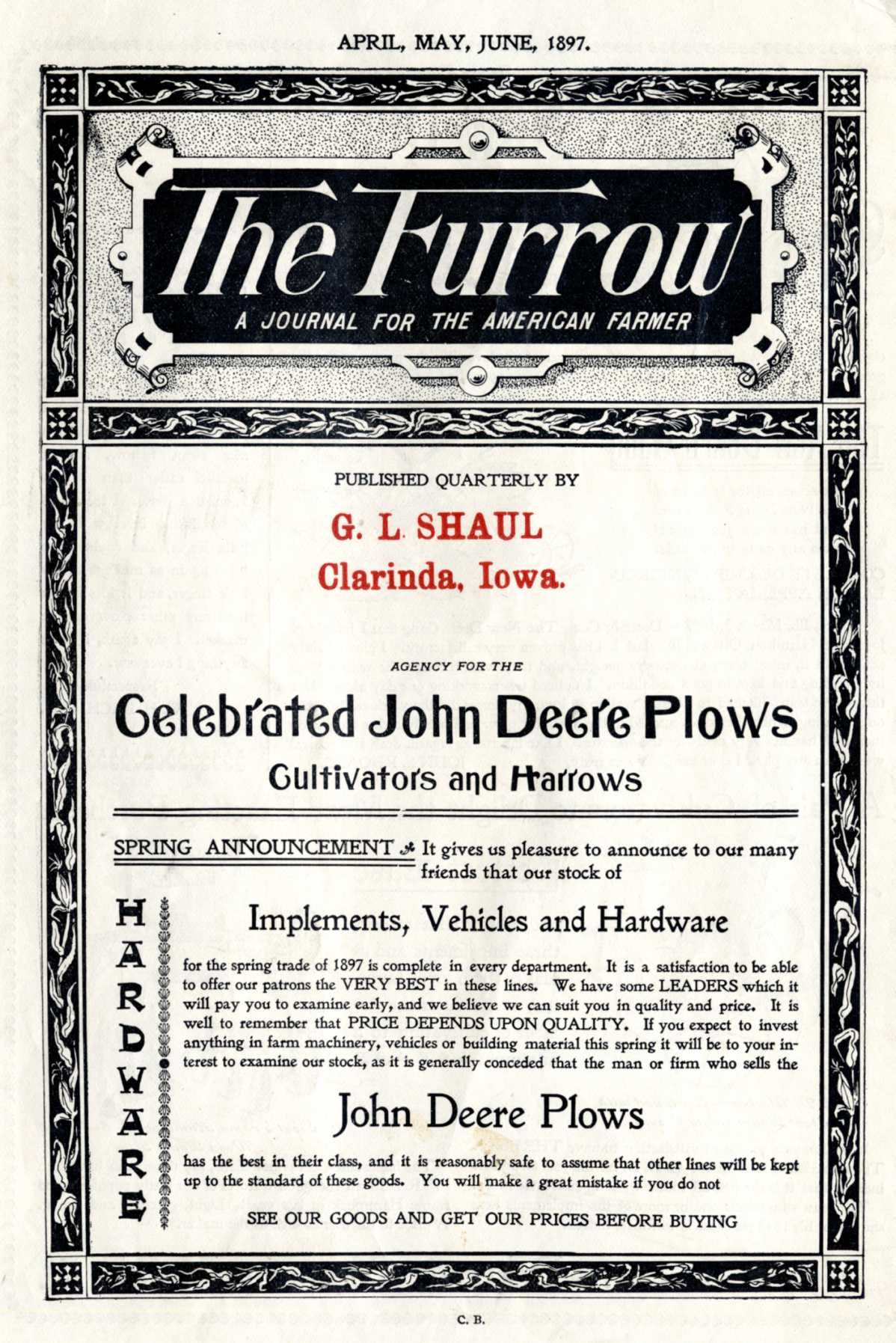
For example, experts point to John Deere’s The Furrow magazine as one of the first examples of native advertising, all the way back in 1897.
Types of native ads
Today, native ads appear in almost all forms of media. Here are the most common native ad formats in the digital marketing world.
In-feed ads
In-feed ads appear in user news feeds within an app or e-commerce platform. They’ll typically take on the same format as the platform’s organic content, aside from a small label or disclaimer. You’ll often spot in-feed ads while scrolling through social media or entertainment apps, like Instagram, X, or Reddit.

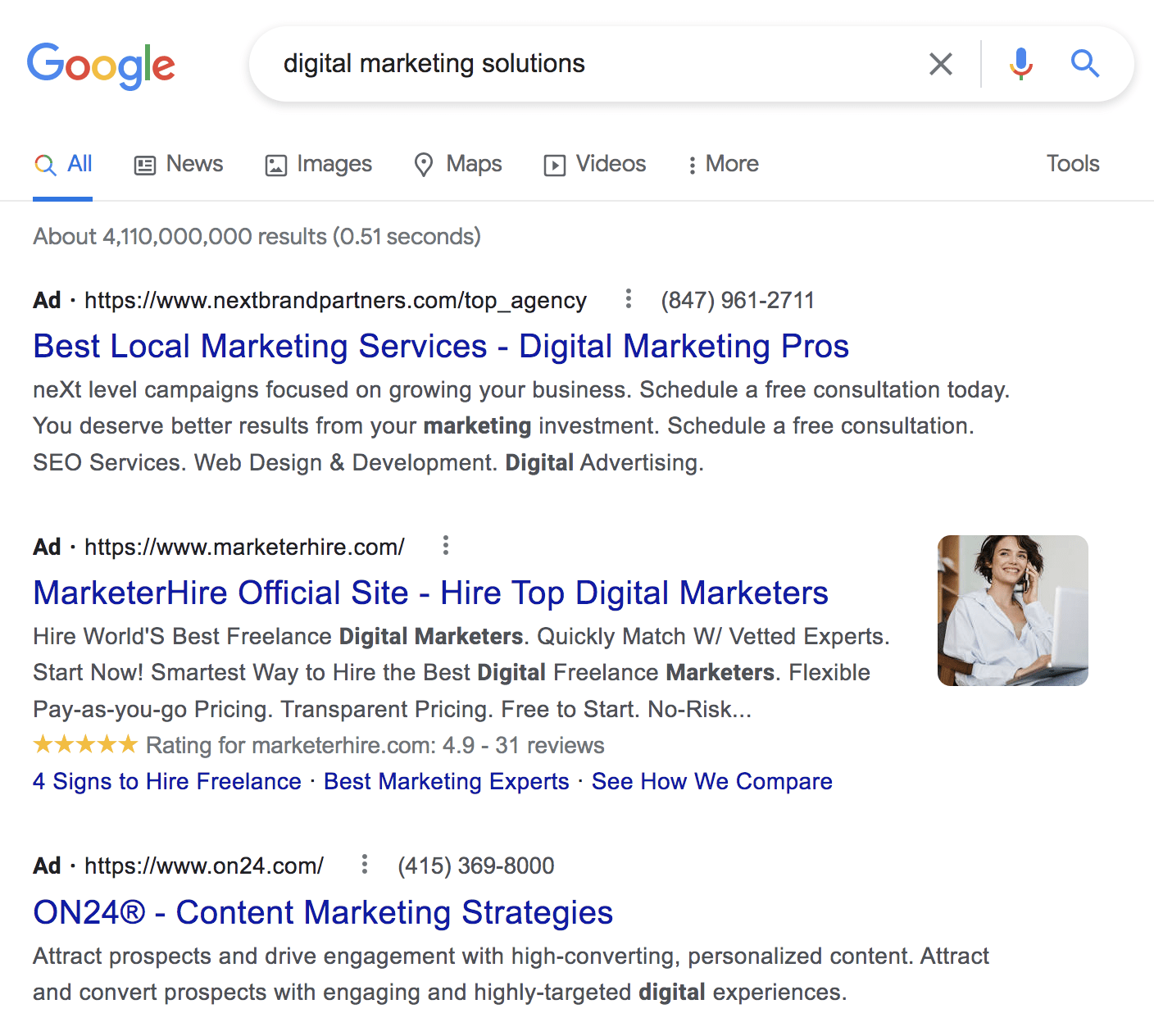
Paid search (PPC)
With paid search, marketers pay for their page to take a top placement on search engines like Google, Bing, or Yahoo! With the right strategy, advertisers can beat out SEO-savvy competitors and put their product directly in front of people at the right time.
Recommendation widgets
A recommendation widget is a sponsored placement that delivers an ad via a widget or module. Typically, it’ll appear on a news or media website to promote related content from advertisers.

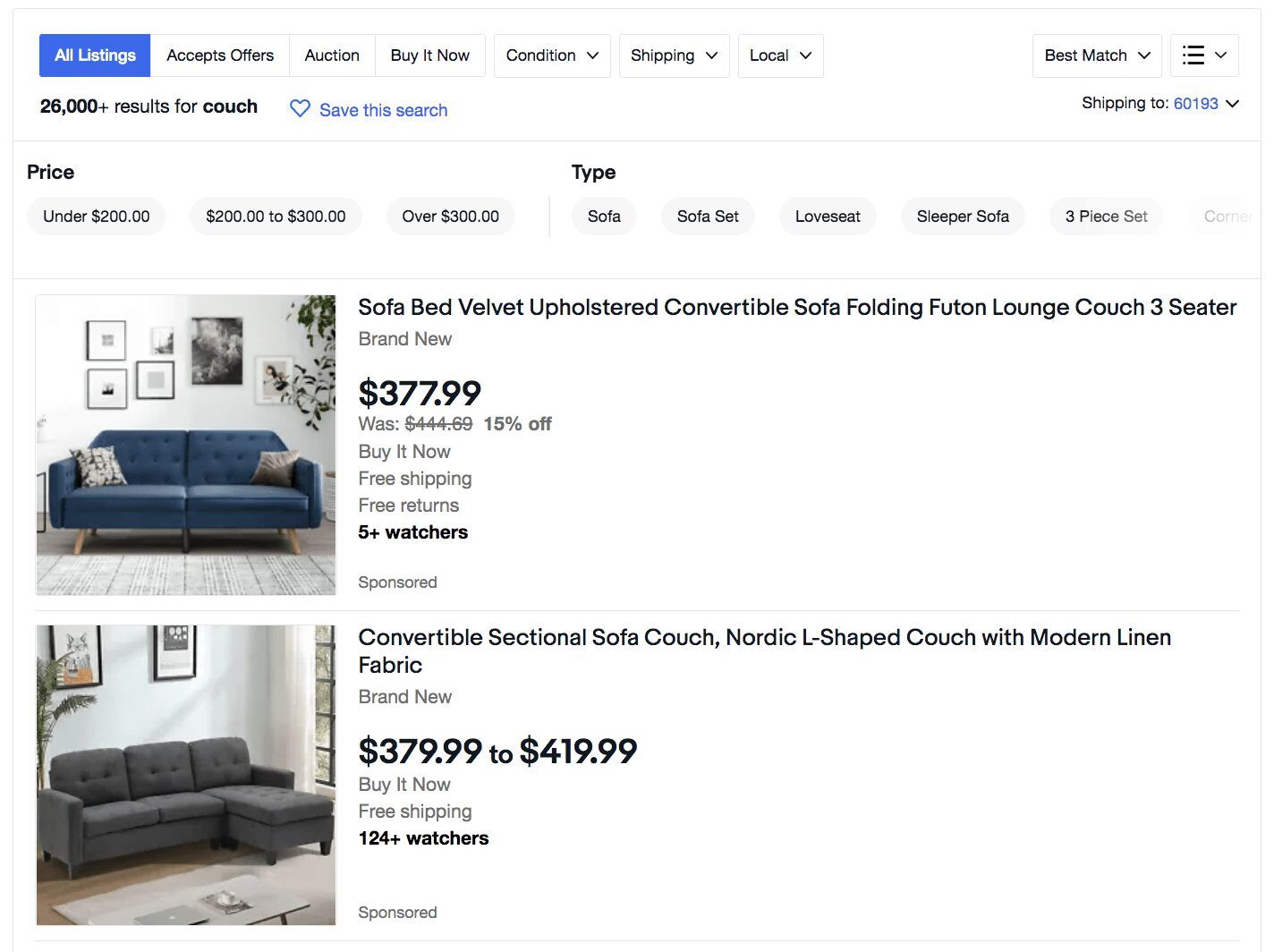
Promoted listings
A promoted listing is like a cross between a paid search ad and a recommendation widget. Placed exclusively on e-commerce sites, promoted listings allow merchants to buy the top position on the results page for a given search.
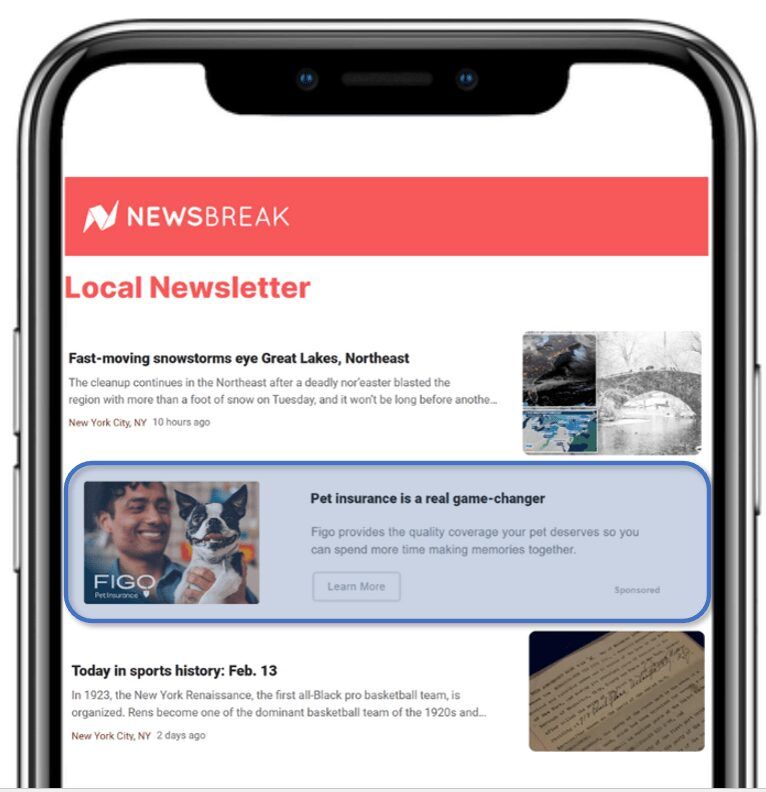
Newsletter ad
A programmatic newsletter ad is a pay-per-click ad that appears in email newsletters. It's similar to a PPC search ad, but they appear in inboxes rather than search results. This type of ad helps brands get exposure in popular online publications.

What is display advertising?
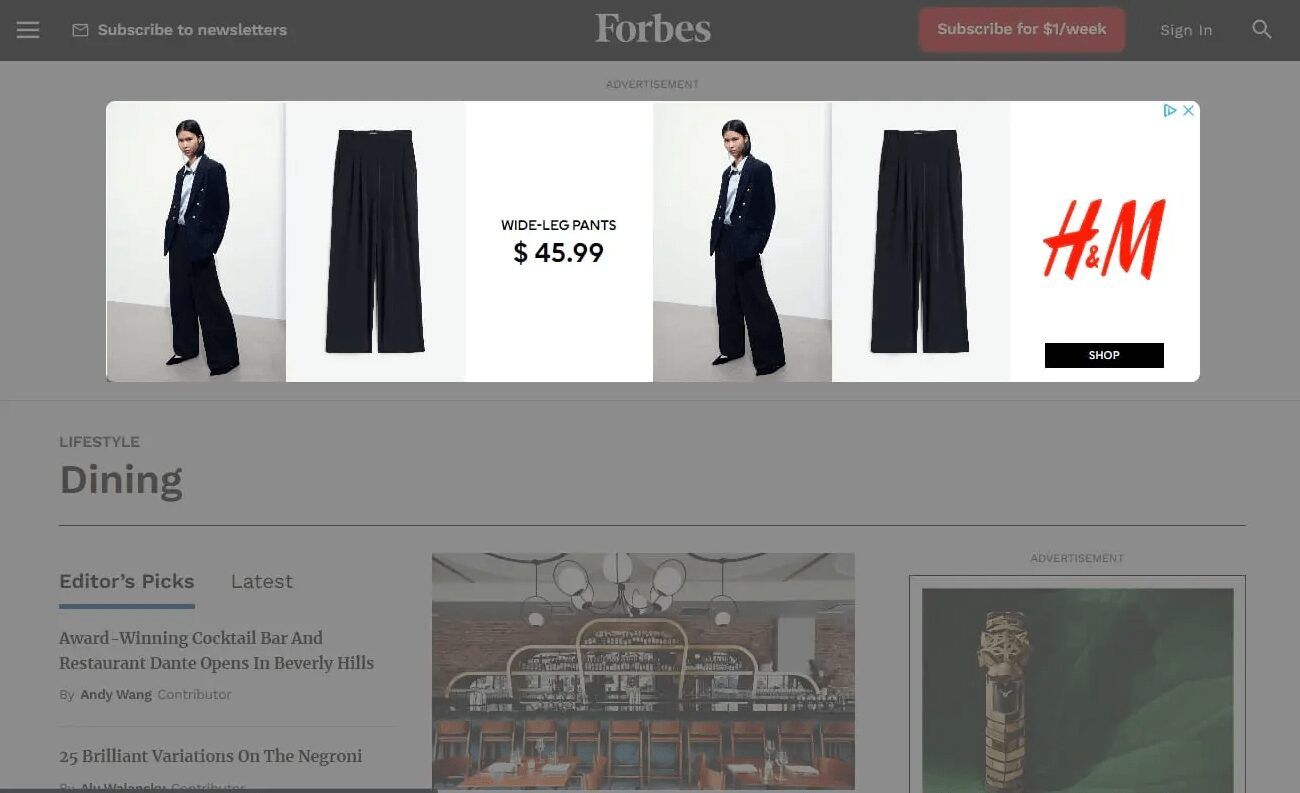
Due to its widespread popularity, display advertising is likely what comes to mind when you think of an online ad.
Originally, the term referred specifically to banner ads. Now, it includes all types of non-native digital advertising, including pop-up, video, and interactive placements.
The first known instance of a digital display ad happened on the world wide web back in 1994.
Types of display ads
Display ads often span a range of dimensions, from vertical rectangles to leaderboards. However, they also tend to fall under one of a few main categories:
Responsive
Responsive display ads tailor their design for every website, screen size, and device type. For instance, an advertiser will upload a few basic assets, including images, videos, headlines, logos, and text descriptions. Then, an advertising platform like Google Display Network will adjust the layout based on the user.
Remarketing
A remarketing ad is a targeted placement aimed at users who visited your website but dropped off before completing the conversion action. For example, e-commerce brands might use remarketing ads to bring customers back to their abandoned carts.
Interstitial
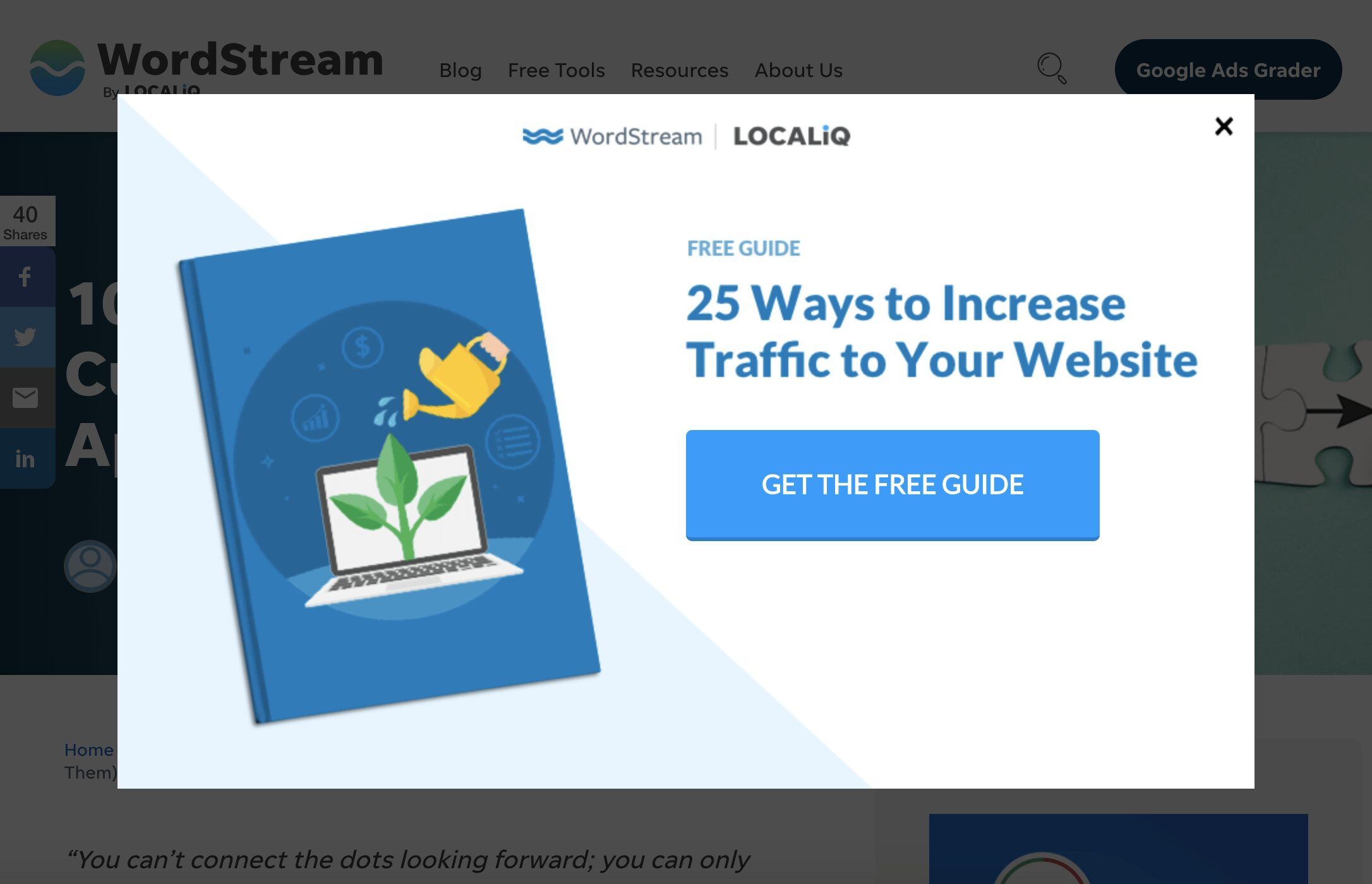
Interstitial ads are full-screen placements that appear on top of app or website content. Typically, the user will need to wait for a countdown or click a button to exit the window. While these ads may achieve increased visibility by forcing the consumer to take action, they can also significantly hurt the user experience.
Native ads vs. display ads: which is best?
Trying to decide whether to run native or display ads for your next campaign? On our platform, we typically recommend native ads to improve user experience and combat ad blindness.
However, it’s important to understand the pros and cons of each type of ad before making a decision. Let’s break down the key differences between the two.
Visibility
Maximizing the number of people who view your ad is a top priority in any ad campaign. However, due to an overexposure to ads over time, many consumers have developed ad or banner blindness. In other words, they’ve learned to subconsciously ignore overt ad placements in order to avoid getting distracted from the task at hand.
Native ads, by contrast, are often seen as less disruptive and therefore draw more attention. In an eye-tracking study by Sharethrough and IPG Media labs, participants were found to look at native ads 53% more frequently than display ads. It also found that readers consume native ads more similarly to editorial content in terms of time spent viewing.
Engagement
When it comes to engagement, consumers are typically more likely to interact with native ads than their display counterparts. In fact, high engagement is one of the main reasons why marketers tend to favor native ads, as many measure performance in terms of metrics like clicks and shares.
On average, native ads achieve a click-through rate (CTR) of 0.2%, compared to 0.05% for display ads. However, this figure jumps to 0.38% for premium native ads on mobile devices. Additionally, the Sharethrough study found that 32% of respondents reported that they would share a native ad with a friend or family member, compared to just 19% for display ads. Overall, native ads achieve higher click-through-rates.
User experience
User experience is a crucial consideration for website publishers and advertisers alike. If your placement comes off as intrusive or spammy, potential customers may develop negative associations with the product or brand.
Many consumers tend to prefer native ads due to their unobtrusive design and seamless integration into the platform. By contrast, display ads are often seen as distracting, especially in the form of pop-ups or auto-play videos.
However, it’s important to note that running a native ad doesn’t guarantee a positive user experience. In other words, it’s important to follow best practices and conduct A/B testing to design an effective placement regardless of the type.
Campaign goals
When it comes to achieving a specific objective for your campaign, native and display ads each have unique advantages. Typically, native ads are more effective for promoting content and driving traffic to your website or email capture landing pages. They’re also known to lift purchase intent and brand affinity responses, improving public perception of your brand.
While display ads certainly have their drawbacks, they still play a key role in many companies’ marketing strategies. For instance, banner and display ads have been found to raise brand awareness by 21%, capturing valuable top-of-funnel traffic. They’re also effective in reaching high-intent visitors with retargeting campaigns.
Make the most of your ad spend with native newsletter sponsorships
Sponsor newsletters with Paved to gain more qualified leads
Join Paved to browse 2,000+ newsletters and reach over 253+ million subscribers across every niche.
Want to put your knowledge to use? Launch a sponsorship with Paved to partner with top newsletters and deliver your message straight to your target audience.
When you become an advertiser on our platform, you’ll get access to the Marketplace, where you can browse hundreds of newsletters with a variety of advertising formats, from dedicated emails to native and display sponsorships.
You’ll also gain access to the Ad Network, where you can run scalable programmatic advertising campaigns. With our programmatic native advertising tool, you’ll be able to run a single placement across several newsletters to reach precisely targeted audiences.
Ready to get started? Sign up as an advertiser with Paved today.