It’s no secret that email is one of the most effective ways to reach your audience. That may be why so many companies continue to buy email lists despite countless warnings from experts. However, showing up uninvited in your recipient’s inbox can end up doing more harm than good.
Buying an email list isn’t just morally questionable– it’s also terrible business practice. Let’s talk about the ways that buying email lists can hurt your business, plus how to reach your audience the right way.
What does it mean to buy an email list?
When a marketer decides to buy an email list, they’ll typically go to a list provider to purchase a list of names and email addresses. Some providers employ segmentation to make their lists more appealing. For instance, many sell targeted email lists made up of specific demographics, such as software developers or millennial women.
Many companies aim to use purchased email lists to reach an engaged audience base without spending time and money to build a marketing plan.
If this sounds too good to be true, it is.
In reality, purchased email lists don’t come close to the level of quality that you’ll get from your own organic audience. Typically, list providers will pull contact information from a variety of sources, including online scams, customer surveys, industry trade shows or even web scraping bots.
Some providers will try to legitimize their products by labeling them “opt-in,” since the emails were initially provided voluntarily. However, this term may be misleading, as the recipients still didn’t express interest in receiving messages from your organization. Therefore, these supposedly high-quality email lists are unlikely to yield better results than a list of numbers from a phone book.
How buying an email list can set you back
Sending out marketing emails to a purchased list clearly won’t do you any favors. However, it can also actively hurt your company, from directly weakening your bottom line to building a bad reputation among consumers.
1. Buying email lists is a waste of money
At best, sending unsolicited emails to purchased lists is like throwing away your marketing budget. Despite their lack of performance, email lists aren’t exactly cheap. Typically, consumer lists will have a cost per thousand (CPM) between $100-400. Business lists are often priced much higher, around $600-1000.
You also can’t expect high-quality contacts from a purchased email list. It’s pretty common to see misspellings, missing data or inaccurate information. Even when your email list does connect you with real accounts, it’s still hard to see good results. Since they won’t recognize your brand, recipients will likely see your messages as spam and send them to their junk folder or leave them unopened. With new tools like Gmail's mass-unsubscription feature, it's just not worth the risk.
In the end, you would have been better off investing your budget in more reliable strategies like social media marketing or native advertising.
2. Emailing random lists hurts your deliverability
As we’ve discussed, many purchased lists consist heavily of fake or deactivated accounts. Sending emails to these addresses will return a hard bounce, indicating that the message has failed to deliver for permanent reasons.
As your bounce rate increases, your sender reputation will decrease. This damage will be compounded by other effects of purchased lists, including low engagement and open rates, as well as high spam complaints. This will harm your email deliverability as email clients like Gmail or Yahoo! begin automatically delivering your messages to the spam folder.
Some email lists may also include planted email addresses known as spam traps. Also known as honeypots, spam traps are decoy email addresses created by anti-spam organizations or internet service providers (ISPs). These dormant addresses are posted around the internet to be found by spambots, who will then add them to paid email lists. At some point later on, the organization will reactivate the addresses, allowing them to catch spammers.
If you’re caught sending emails to a honeypot trap, you’ll be identified as a spammer, and your email account may be closed. Of course, it’s also possible for a spam trap to end up on your list without buying emails. That’s why it’s important to clean up your email list on a regular basis.
3. Sending unsolicited emails can damage your reputation
One of the main benefits of email is the control that recipients have over their inboxes. Especially compared to other communication platforms like social media, email gives its users complete authority over what they see in their account. They can decide what messages to subscribe to, unsubscribe from or send to spam.
Most recipients don’t appreciate receiving emails that they never signed up for. For many, it can feel intrusive and violating. Therefore, sending unsolicited messages will often have the opposite of the intended effect on potential customers, even if they fit your target audience. Instead of getting recipients interested in your brand, your marketing may come across as desperate and spammy.
4. Purchased email lists may violate the terms of your ESP
Because of the negative effects of buying email lists, many email service providers (ESPs) outright ban the use of purchased lists on their platforms. For instance, HubSpot specifies in its acceptable use policy that purchased, rented or borrowed lists are prohibited. Mailchimp even provides a list of examples of compliant and non-compliant lists to help its audience avoid sending unsolicited emails.
5. Buying email lists creates more work down the line
If you’re aiming to build any kind of reputable business, buying email lists will just create more problems in the long run. From driving away email recipients to lowering your sender reputation, you’ll end up worse than when you started.
Repairing the damage from using a purchased email marketing list can be costly, particularly for small businesses. In addition to building back consumer trust, you may also have to pay fines or replace accounts you’ve lost. Therefore, it’s better to use healthy practices to reach new customers in the first place.
How to reach your audience’s inboxes the right way
While it may seem promising at first, buying email lists is by no means an effective marketing strategy. However, there are plenty of lead generation strategies that are fully compliant with the GDPR and the CAN-SPAM Act.
1. Build an email marketing plan from the ground up
If you’re aiming to send consistent digital marketing materials to an engaged list of email contacts, you’ll need to build your subscriber base from scratch. That may sound scary at first, but it’s okay to start small with your marketing efforts.
Consider adding sign-up CTAs across your other digital platforms. Add a link to a sign-up form on your social media, or create popups or a landing page on your website. Keep an eye on your results, and continuously revise your design or copy to improve your conversion rates.
Learn more about how to build an email newsletter following on the Paved blog:
- •How To Get 10,000 Email Subscribers in 2025
- •How To Launch an Email Referral Program in 5 Steps
- •Ad Network Case Study: Get More Newsletter Subscribers
- •The Do’s and Don'ts for Growing your Email List: 11 Must-Know Rules
2. Run newsletter sponsorships
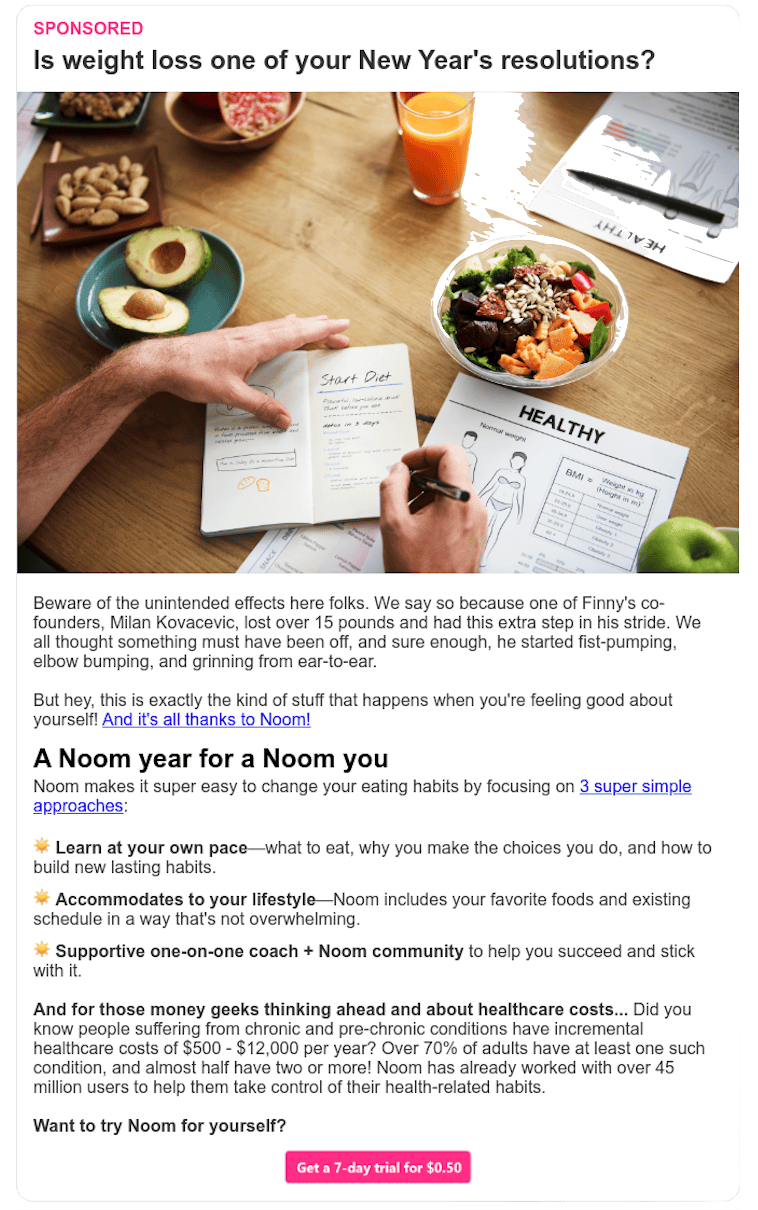
To leverage the strength of email marketing campaigns without building an email list, consider sponsoring a newsletter. Newsletter sponsorships allow brands to partner with existing publications to reach a specific audience.
Similar to purchased email lists, sponsorships allow companies to deliver their marketing message to a specific group of subscribers. However, instead of showing up uninvited in a recipient’s inbox, they’ll borrow trust from a publication that the readers know and love.
If you’re interested in advertising your brand with email newsletter sponsorships, joining a marketplace is the easiest way to get started. Sign up with Paved for free to browse hundreds of publications across every niche.